

Spring Allergies in Chicago: What is Causing Them and How to Find Relief
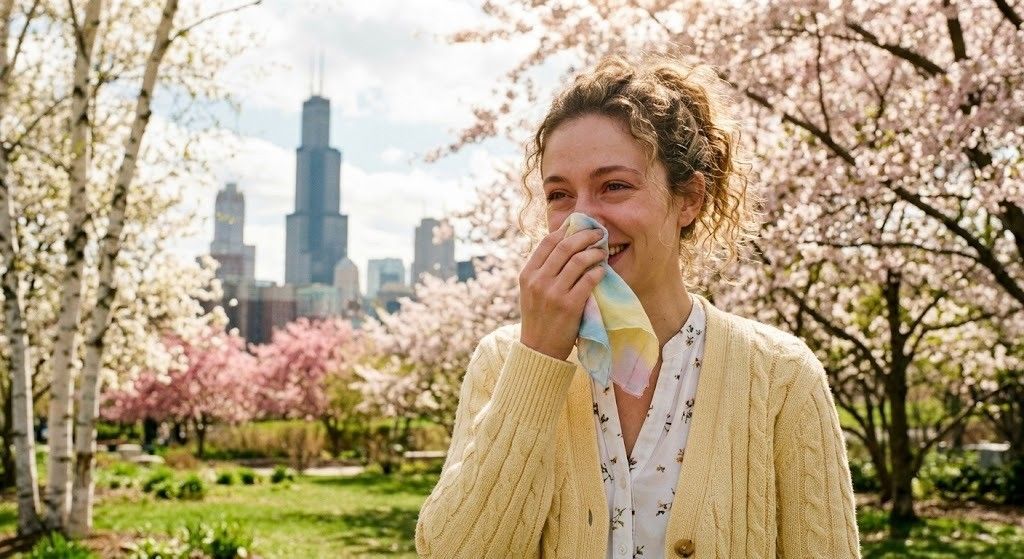
Spring Allergies in Chicago: What is Causing Them and How to Find Relief
You wake up one morning in late March and your nose wont stop running. Your eyes are itchy. You figure its a cold. Then it happens again the next day. And the day after that. If youve lived in Chicago long enough you know this pattern well. Its not a cold. Its allergy season and it just started without asking your permission.
A lot of patients walk into our office this time of year confused about what is actually going on with their body. Some think they caught something. Others just push through the sneezing and the congestion because they assume its normal and there is nothing to do about it. There is something you can do about it though and this guide walks through exactly what.
When Does Allergy Season Start in Chicago
Allergy season in Chicago usually kicks off in late March and stretches into early summer as different plants take their turn releasing pollen. Tree pollen tends to show up first followed by grass pollen and then weed pollen closer to fall. So really spring allergy season in Chicago covers a good stretch of months not just a couple weeks.
Tree Pollen Season Timing
Tree pollen is usually the first wave and it can start as early as March depending on how mild the winter was. Birch trees oak trees and maple trees are common culprits around Chicago neighborhoods. Once temperatures stay consistently above freezing for a few days in a row trees start releasing pollen and levels can climb fast.
Why Chicagos Climate Makes Allergy Season Unpredictable
Heres the thing about Chicago weather. It doesnt follow a script. One year spring feels like it arrives in February. The next year winter hangs around into April. That inconsistency messes with pollen timing every single year.
Being close to Lake Michigan adds another layer too. The lake effect can delay pollen release near the lakefront while inland neighborhoods are already dealing with high counts. So two people living twenty minutes apart in the city can have completely different allergy experiences in the same week. Windy days off the lake can also stir up pollen thats already settled making symptoms worse even after a rainy stretch that usually calms things down.
Common Spring Allergy Symptoms
Spring allergy symptoms in Chicago usually include sneezing a runny or stuffy nose itchy and watery eyes and sometimes an itchy throat or ears. Some people also get mild fatigue from constantly fighting congestion. Symptoms tend to show up fast when pollen counts are high and ease up when levels drop or when the person stays indoors with windows closed.
Allergy Symptoms vs Cold or Flu Symptoms
| Symptom | Allergies | Cold or Flu |
|---|---|---|
| Fever | Rare | Common |
| Duration | Weeks to months | Usually 7 to 10 days |
| Body aches | Rare | Common |
| Itchy eyes | Common | Rare |
| Onset | Sudden with pollen exposure | Gradual over a day or two |
| Nasal discharge | Clear and watery | Can turn thick or colored |
If your symptoms drag on for weeks and line up with windy dry days outdoors thats a strong sign youre dealing with allergies and not an illness that will run its course.
When Symptoms Signal Something More Than Allergies
Not every case is simple seasonal allergies though. If you develop a fever chest pain trouble breathing or symptoms that get worse instead of better over a week that could point to something like a sinus infection or even asthma flare up. Thats when its worth having a provider take a look rather than waiting it out at home.
Types of Pollen Behind Chicago Spring Allergies
Chicago allergy sufferers deal with a rotating cast of allergens depending on the month and the weather. Knowing which type is active can help you plan your week and manage symptoms better.
- Tree pollen from birch oak maple and elm trees usually peaks in April
- Grass pollen from common lawn and park grasses ramps up in May and June
- Mold spores from damp leftover leaves and wet soil that show up early in spring before trees even bud
- Weed pollen from ragweed which becomes the bigger issue later in summer into fall
Tree Pollen
Tree pollen is often the heaviest hitter early in the season. Birch pollen in particular is known for triggering strong reactions in a lot of people including itchy eyes and a scratchy throat.
Grass Pollen
Once trees finish their cycle grass takes over. Parks lawns and even small patches of grass around Chicago neighborhoods can push pollen counts up on warm dry days especially right after mowing.
Mold Spores in Early Spring
This one gets missed a lot. Snow melting off wet leaves and damp yards creates the perfect setup for mold spores before pollen even becomes a major factor. If your symptoms start earlier than typical tree pollen season mold could be the actual trigger and its worth mentioning to your provider.
Tracking Pollen Count and Allergy Forecast in Chicago
Checking a daily pollen count can help you plan outdoor time and decide when to take medication ahead of a bad day instead of reacting after symptoms already hit.
How to Read a Daily Pollen Count
Pollen counts are usually reported as low moderate high or very high based on the number of pollen grains measured in the air. On low days most people with mild allergies barely notice anything. On high or very high days even people with mild sensitivities can feel it fast.
High Pollen Days and How to Plan Around Them
Warm dry and windy days tend to push pollen levels up while rain actually helps by clearing pollen out of the air temporarily. If the forecast shows a high pollen day try to keep windows and doors closed run the air conditioner instead of opening the house up and save outdoor activities for early morning or after a rain when counts tend to drop.
Over the Counter Allergy Relief Options
For a lot of people mild to moderate spring allergies can be managed with over the counter medication especially early in the season before symptoms build up.
Best Antihistamine Choices for Chicago Allergy Sufferers
Non drowsy antihistamines are usually the first thing people reach for and they work by blocking the histamine response that causes sneezing and itching. Some people do better with one brand over another and honestly it can take some trial and error to find what works for your body. Healthcare providers commonly recommend starting antihistamines a little before allergy season ramps up rather than waiting until symptoms are already bad.
Nasal Sprays and Eye Drops
Nasal sprays can help with congestion directly at the source and antihistamine eye drops handle the itchy watery eyes that oral medication doesnt always fully fix. Using both together covers more of the symptom picture for a lot of patients.
When OTC Medication Stops Working
If youre already taking antihistamines nasal spray and eye drops and youre still miserable that is usually a sign your allergies need a different approach. This is common and its not a failure on your part. Some allergy triggers just need more targeted treatment than the pharmacy aisle can offer.
When to See a Doctor for Spring Allergies
If over the counter options arent cutting it or your symptoms are interfering with sleep work or daily life its time to talk to a provider instead of just pushing through another season feeling exhausted.
Signs You Need an Allergist Instead of the Pharmacy Aisle
A few signs it might be time for a visit include symptoms lasting more than a few weeks without improvement medication that used to work not helping anymore trouble sleeping because of congestion and symptoms that start affecting your ability to focus at work or school. Frequent sinus infections tied to allergy season is another one worth mentioning to a provider.
Allergy Testing and Immunotherapy Explained
Allergy testing helps identify the exact allergens triggering your symptoms whether thats a specific tree grass or something indoors like dust mites or pet dander. Once the specific allergens are known a provider can build a treatment plan around them. Immunotherapy commonly known as allergy shots works by gradually exposing your body to small amounts of the allergen over time which can reduce sensitivity and symptoms in future seasons.
Why Choose Hermosa Medical Center for Allergy Care in Chicago
Hermosa Medical Center has been part of the Chicago community for more than 33 years and allergy care is one of the services patients rely on most once spring hits. Youre able to walk in without scheduling weeks in advance and see a provider the same day symptoms start bothering you. Because allergy and immunotherapy care is offered on site along with an in house pharmacy patients can get evaluated and start treatment without running around the city to different offices. If youre curious what allergy testing actually involves that is covered in more detail on our blog too.
Hermosa accepts Medicaid Medicare BCBS Aetna Cigna Tricare Wellcare and cash so cost doesnt have to be a barrier to getting checked out. And if allergy symptoms turn out to be something else entirely like a sinus infection needing antibiotics or a respiratory issue that needs closer attention the primary care and internal medicine teams are right there under the same roof. Symptoms that suddenly get worse and feel urgent can also be looked at through walk in urgent care the same day.
Simple Ways to Reduce Allergy Symptoms at Home
Managing allergies isnt only about medication. A few home habits can cut down on exposure and make symptoms easier to live with day to day.
Cleaning and Air Quality Tips
Keeping windows and doors closed on high pollen days makes a real difference and running a HEPA filter indoors helps trap pollen that sneaks in anyway. Washing bedding regularly and showering before bed can also cut down on pollen you carry indoors on your skin and hair.
Timing Outdoor Activities Around Pollen Levels
Pollen counts tend to peak in the morning and on windy afternoons so scheduling outdoor time later in the day or right after rain can lower your exposure without giving up time outside completely.
Book Your Allergy Visit at Hermosa Medical Center
If spring allergies are wearing you down and over the counter options just arent enough anymore you dont have to keep pushing through it. Walk in to Hermosa Medical Center at 2004 N Pulaski Rd Chicago IL 60639 any day between 9 AM and 5 PM or call 773 772 8876 to ask a question before you come in. No long wait for an appointment and no runaround between offices. Just straightforward care from a team thats been treating Chicago patients for over three decades.
Frequently Asked Questions
When do spring allergies start in Chicago
Spring allergies in Chicago usually start in late March once tree pollen begins releasing and the timing can shift earlier or later depending on how mild or cold the winter was.
What is the pollen count in Chicago today
Daily pollen counts are typically reported as low moderate high or very high and checking a local allergy forecast before planning outdoor activities can help you avoid the worst exposure.
How do I know if it is allergies or a cold
Allergies usually come without a fever and last for weeks while a cold tends to include body aches and clears up within seven to ten days.
What is the best antihistamine for Chicago allergy sufferers
Non drowsy antihistamines are the common first choice for most people though the best option can vary from person to person and sometimes takes a bit of trial and error.
Can allergies cause a sore throat or cough
Yes postnasal drip from allergies can irritate the throat and trigger a cough especially at night when lying down.
What triggers spring allergies in Chicago besides pollen
Mold spores from wet leaves and damp soil can trigger symptoms early in spring before tree pollen even becomes active.
Do air purifiers help with spring allergies
A HEPA air purifier can reduce indoor pollen levels and ease symptoms though it wont eliminate exposure completely especially with windows open.
When should I see an allergist instead of taking OTC medicine
If symptoms last more than a few weeks interfere with sleep or work or stop responding to over the counter medication its a good time to see a provider.
What does allergy testing involve
Allergy testing identifies which specific allergens are triggering your symptoms so a provider can build a treatment plan targeted to your triggers.
Does Hermosa Medical Center accept walk ins for allergy symptoms
Yes Hermosa Medical Center welcomes walk in patients for allergy symptoms every day from 9 AM to 5 PM with no appointment required.
Related reading on our blog Seasonal allergy relief tips Asthma triggers and management Managing seasonal allergies