Ultrasound

Diagnostic Ultrasound in Chicago, IL — On-Site Imaging at Hermosa Medical Center

You've been told you need an ultrasound, and now you're wondering how long you'll wait, where to go, and whether your insurance even covers it. It's a common spot to be in. And the good news is, it doesn't have to be complicated.

At Hermosa Medical Center in Chicago, we perform diagnostic ultrasounds on-site — no referral to an outside imaging center, no weeks-long wait for an appointment. Our ultrasound services are available at 2004 N Pulaski Rd, and we accept Medicaid, Medicare, most insurance plans, and cash.

Ultrasound - image 1
01 / 02

What Is a Diagnostic Ultrasound?

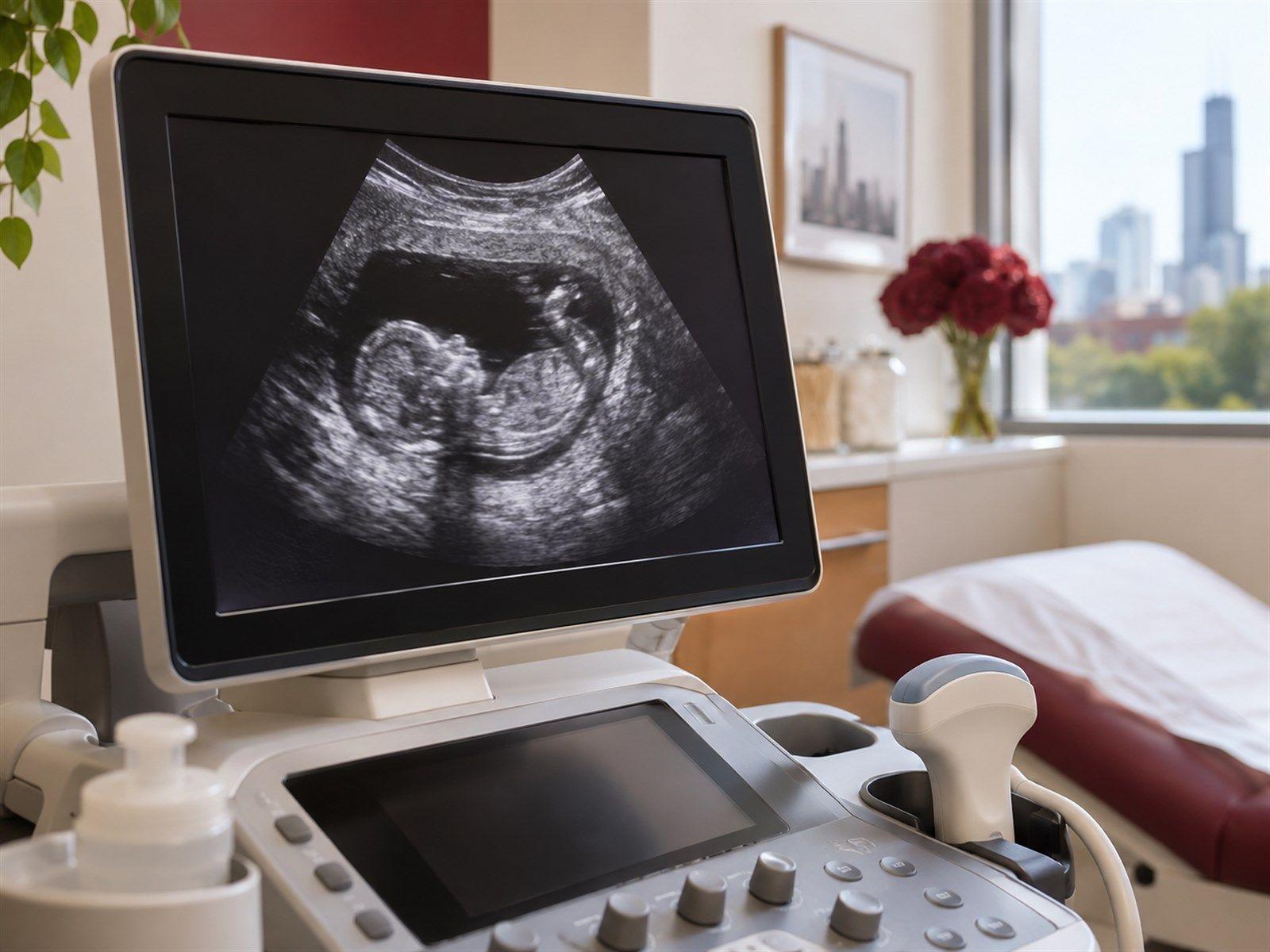
A diagnostic ultrasound is a medical imaging test that uses high-frequency sound waves to create real-time pictures of the inside of your body. It's completely painless, doesn't involve radiation, and typically takes 20 to 45 minutes depending on what's being examined.

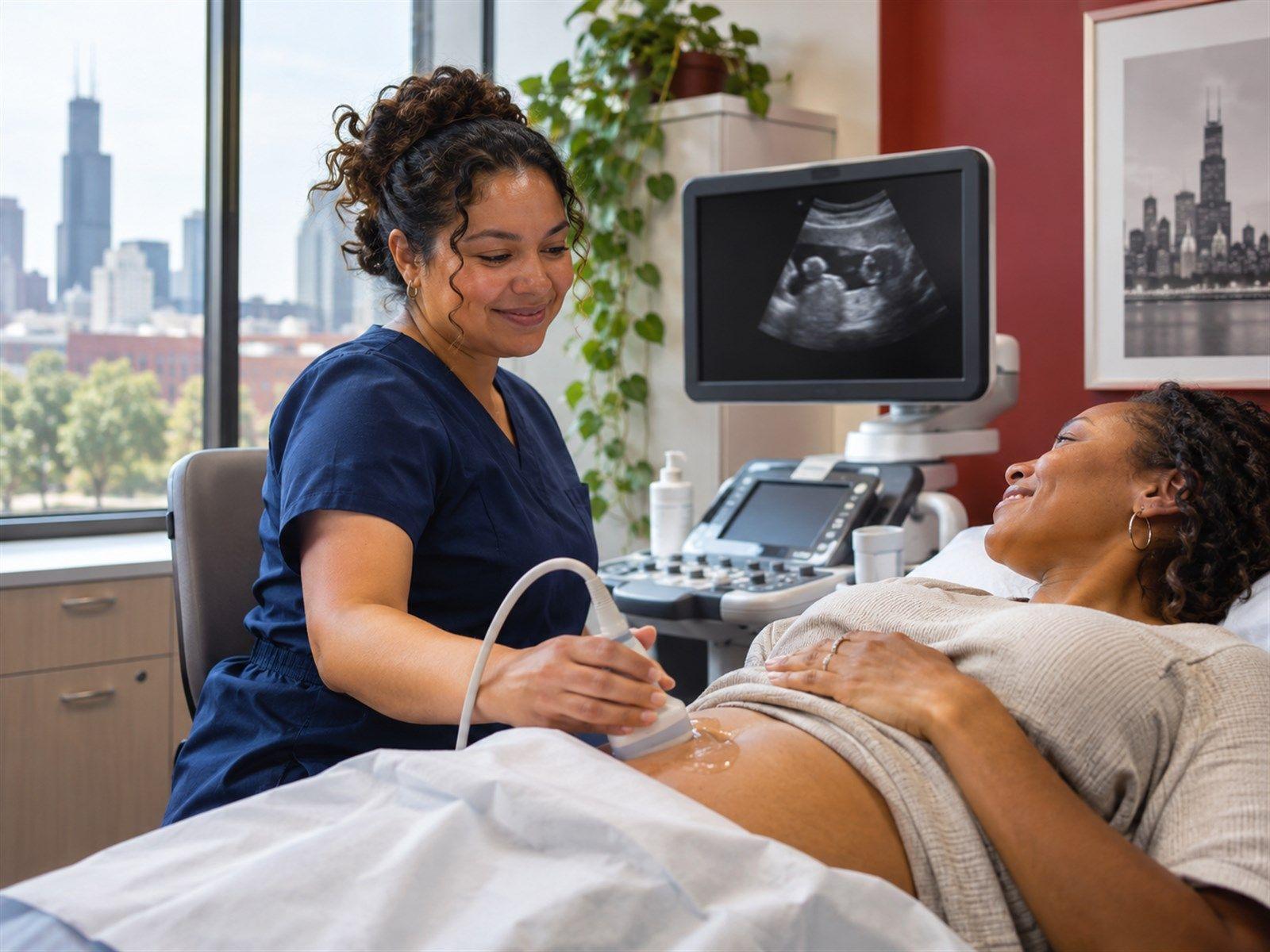
Unlike an MRI or X-ray, an ultrasound doesn't require you to lie inside a machine or hold still for extended periods. A technician — called a sonographer — applies a water-based gel to your skin and moves a small handheld probe over the area being examined. The probe sends sound waves into your body, and those waves bounce back to create images on a monitor.

Doctors use ultrasound to evaluate organs, blood vessels, and tissues without making a single incision. It's one of the safest and most versatile diagnostic tools in medicine. The American Institute of Ultrasound in Medicine considers it a first-line imaging choice for many conditions because there's no ionizing radiation and no known harmful effects.

At Hermosa Medical Center, your ultrasound results are reviewed by our medical team — often the same day. That means faster answers and faster treatment.

What Is a Diagnostic Ultrasound? - image 1

What to Expect During Your Ultrasound Appointment

Here's the honest version of what happens — no medical jargon, no surprises.

When you arrive at Hermosa Medical Center, you'll check in at the front desk. Depending on the type of ultrasound, you may have received specific prep instructions beforehand. For an abdominal ultrasound, that usually means fasting for 8 to 12 hours so your gallbladder is visible. For a pelvic ultrasound, you might need a full bladder — which, yes, can be uncomfortable, but it makes the images much clearer.

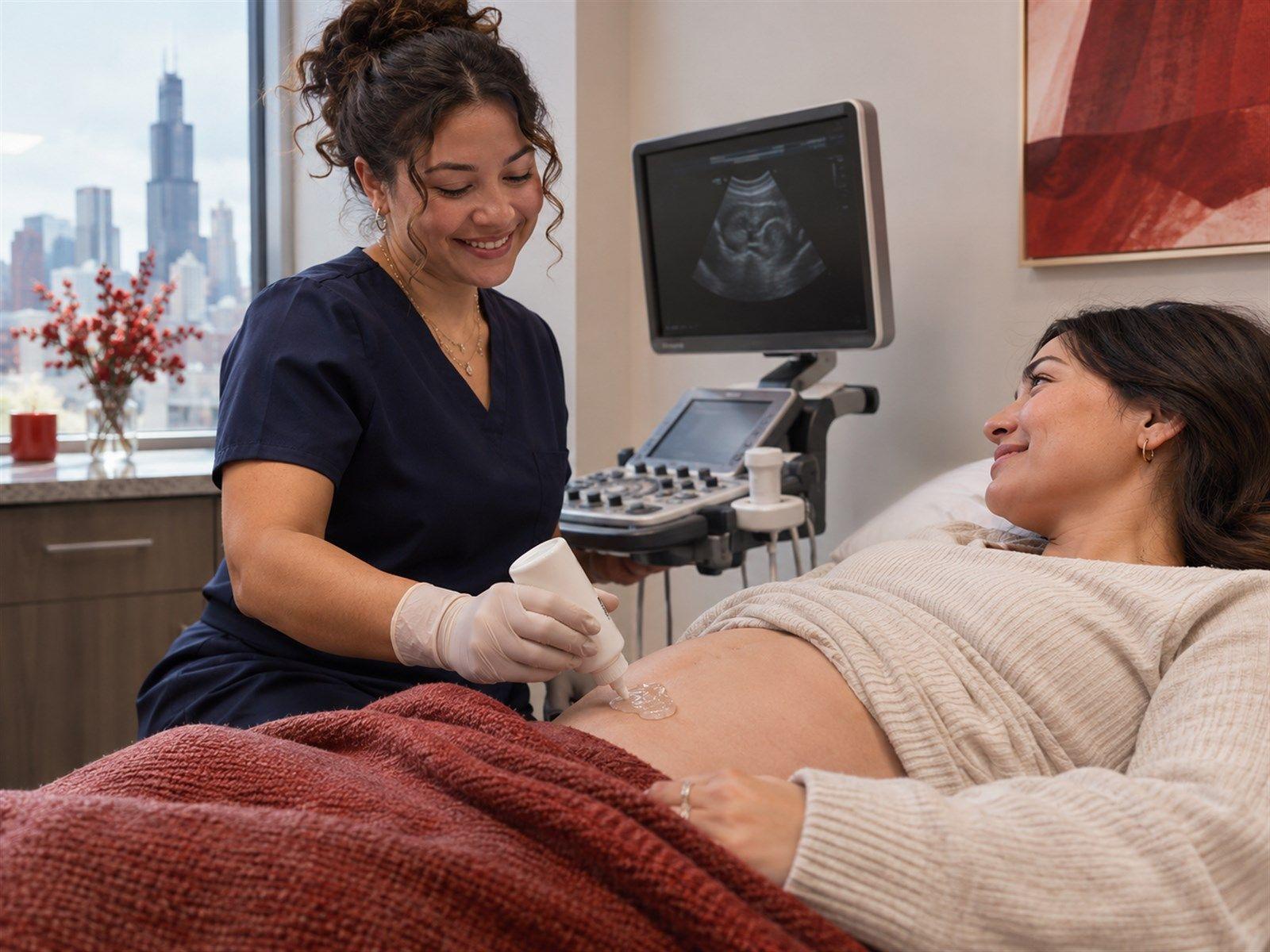
You'll be taken to the imaging room and asked to lie on an exam table. The sonographer applies a warm gel to the area being scanned. It's water-based and wipes off easily afterward. Then they move the ultrasound probe across your skin. You might feel light pressure, but it shouldn't hurt.

The whole process takes about 20 to 45 minutes. Some scans are shorter — a thyroid ultrasound, for example, usually wraps up in about 15 minutes. Complex vascular studies can take a bit longer.

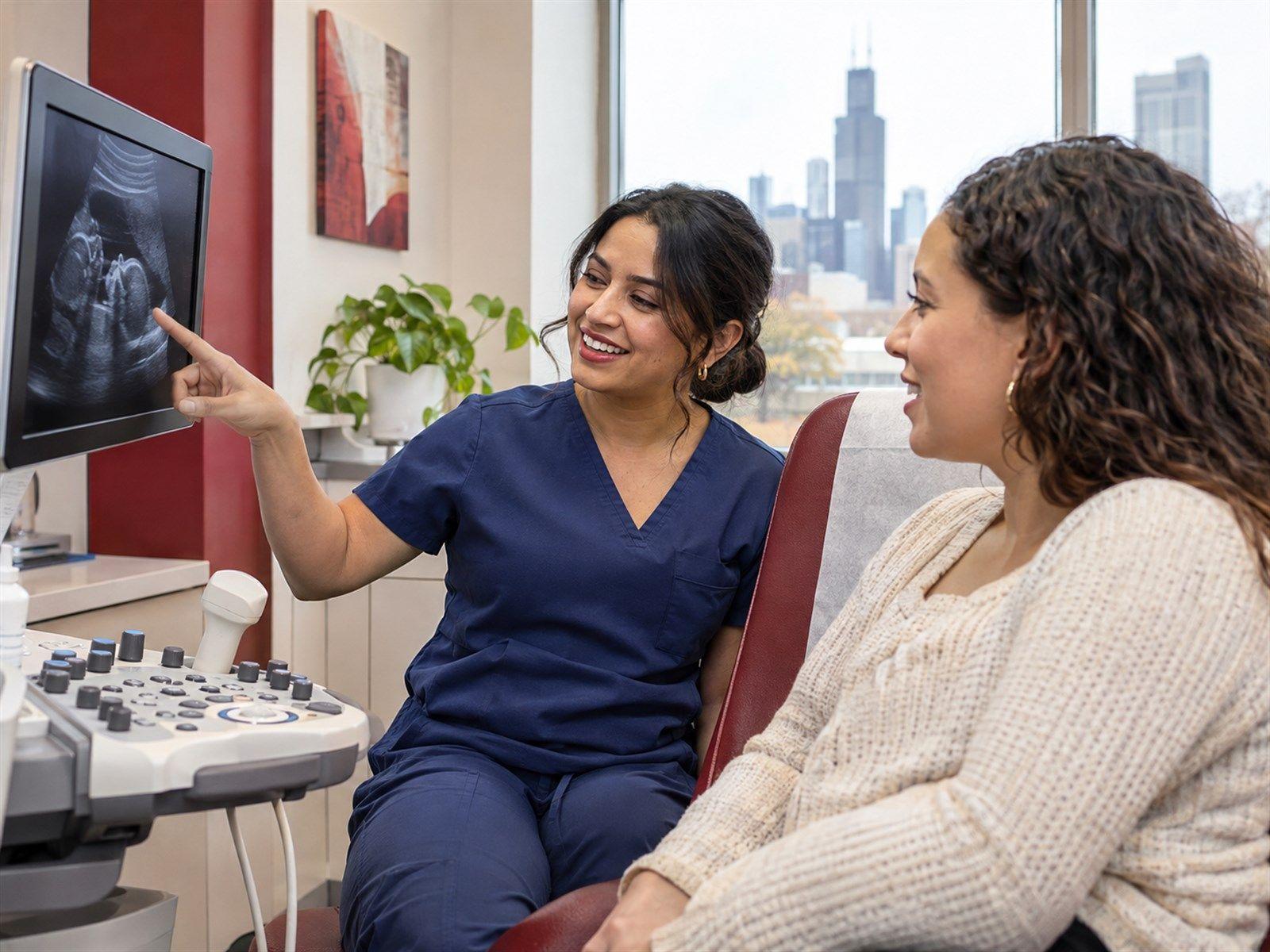
After the scan, your images are reviewed by our medical team. In many cases, your doctor can discuss preliminary findings the same day. A detailed report follows within 24 to 48 hours.

That's it. No needles, no radiation, no recovery time. You walk out the same way you walked in.

What to Expect During Your Ultrasound Appointment - image 1

When Do You Need an Ultrasound?

Not sure if an ultrasound is the right test for your situation? Here are some of the most common reasons doctors order one.

Abdominal pain that doesn't have an obvious explanation. Gallbladder symptoms like pain after eating fatty foods. Kidney stones or blood in the urine. Swollen or painful legs that could indicate a blood clot. Thyroid nodules or an enlarged thyroid gland. Irregular periods, pelvic pain, or suspected ovarian cysts. Pregnancy monitoring at any stage. Evaluation of soft tissue injuries in muscles or joints.

And sometimes it's simply the next step after abnormal blood work. Elevated liver enzymes, unusual thyroid levels, or an abnormal CBC can all lead your doctor to order imaging — and ultrasound is usually the first choice because it's non-invasive and provides immediate visual information.

If your primary care doctor or internal medicine physician recommends an ultrasound, you can get it done right here at Hermosa Medical Center without going to a separate facility. That saves time, and it means your results stay in one medical record system.

More type of

Treatments

Hermosa Medical Center facility and patient care team

Abdominal Ultrasound

This is probably what most people picture when they hear "ultrasound." An abdominal ultrasound examines your liver, gallbladder, kidneys, pancreas, spleen, and abdominal aorta. It's the go-to imaging test for abdominal pain, bloating, gallstones, kidney stones, and liver concerns.

Hermosa Medical Center facility and patient care team

Pelvic Ultrasound

Pelvic ultrasounds evaluate the reproductive organs and surrounding structures. For women, that includes the uterus, ovaries, and fallopian tubes. For men, the prostate and seminal vesicles. It's one of the most common imaging tests in gynecology.

Hermosa Medical Center facility and patient care team

Thyroid Ultrasound

A thyroid ultrasound examines the thyroid gland in your neck. It's used to evaluate lumps, nodules, swelling, or abnormal lab results. If your blood work shows unusual thyroid hormone levels, or if your doctor felt something during a neck exam, a thyroid ultrasound determines whether it's a cyst, a solid nodule, or something that needs a biopsy.

Hermosa Medical Center facility and patient care team

Vascular Ultrasound (Doppler)

A vascular ultrasound — also called a Doppler ultrasound — measures blood flow through your arteries and veins. It's used to detect blood clots, blockages, narrowing of blood vessels, and poor circulation. This test is especially important for patients with diabetes, high blood pressure, or a history of heart disease.

Hermosa Medical Center facility and patient care team

Musculoskeletal Ultrasound

This type of ultrasound examines muscles, tendons, ligaments, and joints. It's useful for evaluating sports injuries, tendonitis, rotator cuff tears, and soft tissue masses. Musculoskeletal ultrasound is often faster and less expensive than an MRI, and it gives real-time images while you move the affected joint.

Hermosa Medical Center facility and patient care team

Obstetric Ultrasound

For pregnant patients, obstetric ultrasounds monitor fetal development, check the baby's heartbeat, estimate due dates, and screen for potential complications. Our gynecology department works closely with our imaging team to provide comprehensive prenatal care.

Types of Ultrasound We Offer in Chicago

Not all ultrasounds are the same. The type you get depends on what your doctor is looking for. Here's what we provide at Hermosa Medical Center.

Abdominal Ultrasound

If you've been having persistent stomach pain or your blood work flagged something in your liver or kidney function, an abdominal ultrasound is usually the next step. It's quick, painless, and gives your doctor a clear picture of what's going on inside without surgery or contrast dyes.

Pelvic Ultrasound

Doctors order pelvic ultrasounds for irregular periods, pelvic pain, ovarian cysts, fibroids, fertility concerns, and pregnancy monitoring. If you're experiencing abnormal bleeding or lower abdominal discomfort that your doctor can't explain with a physical exam alone, this scan fills in the gaps.

Thyroid Ultrasound

Thyroid conditions are more common than most people realize — roughly 20 million Americans have some form of thyroid disease, and many don't know it. A quick ultrasound can answer a lot of questions.

Vascular Ultrasound (Doppler)

Our cardiology team often works alongside our imaging department when vascular ultrasounds reveal issues that need further cardiac evaluation. Dr. Eliyazar Gaddam, MD, our cardiologist, reviews complex vascular findings and coordinates treatment when needed.


Ultrasound vs. MRI vs. X-Ray — Which One Do You Need?

This is one of those questions patients ask constantly, and it's a fair one. Each imaging test has its strengths.

An ultrasound uses sound waves and is best for soft tissues, organs, blood vessels, and pregnancy monitoring. It's the safest option — no radiation at all — and it provides real-time images. It's also the most affordable imaging test in most cases.

An MRI uses magnetic fields and radio waves to create extremely detailed images of soft tissues, joints, the brain, and the spine. It's more comprehensive than ultrasound but takes longer, costs more, and some people find the enclosed scanner uncomfortable. Our open MRI at Hermosa Medical Center helps with that.

An X-ray uses a small dose of radiation and is best for bones and detecting fractures, lung conditions, or dental issues. It's fast and inexpensive but doesn't show soft tissue detail the way ultrasound or MRI does.

Your doctor recommends the right test based on your symptoms. In many cases, ultrasound is the starting point — and if it shows something that needs closer examination, an MRI or other advanced imaging follows.

Why Choose Hermosa Medical Center for Ultrasound in Chicago?

  • On-site imaging, no outside referrals. Your ultrasound happens in the same building where your doctor works. No separate facility, no transferring records, no extra trips.
  • Fast results. Preliminary findings are often available the same day. Full reports within 24 to 48 hours. You're not left wondering for a week.
  • Multi-specialty coordination. If your ultrasound reveals something that needs specialist attention — a cardiac concern, a gynecological finding, a surgical referral — our cardiologists, gynecologists, and other specialists are right here. One location at 2004 N Pulaski Rd covers it all.
  • Affordable and accessible. We accept Medicaid, Medicare, most insurance plans, and cash. Financial barriers don't belong in healthcare.
  • Experienced imaging team. Our sonographers and reviewing physicians have extensive experience in diagnostic ultrasound across all types — abdominal, pelvic, vascular, thyroid, obstetric, and musculoskeletal.
  • Comfortable, patient-centered environment. We speak English, Arabic, and Spanish. Our staff explains every step of the process so you know exactly what's happening and why.
  • Walk-in friendly clinic. While ultrasounds are typically scheduled, our general physicians and urgent care team can evaluate you same-day and order imaging immediately if it's needed.

FAQs

Frequently Asked Questions

Most ultrasound exams take 20 to 45 minutes depending on the type. A thyroid ultrasound may finish in 15 minutes, while a detailed vascular study can take up to an hour. Your sonographer will let you know the expected time when you arrive.

No. Ultrasound is painless for the vast majority of patients. You'll feel light pressure from the probe and the gel may feel slightly cool or warm. If the area being scanned is already tender — like an inflamed gallbladder — you might feel some discomfort when the probe passes over it, but that's brief.

It depends on the type. Abdominal ultrasounds typically require 8 to 12 hours of fasting so the gallbladder and surrounding organs are clearly visible. Pelvic ultrasounds often require a full bladder. Your doctor or our scheduling team will give you specific prep instructions when you book.

Most insurance plans, including Medicaid and Medicare, cover diagnostic ultrasound when it's ordered by a physician for a medical reason. Our front desk team can verify your coverage and estimated costs before your appointment.

At Hermosa Medical Center, preliminary findings are often discussed the same day. A full written report from the reviewing physician is typically available within 24 to 48 hours. Your ordering doctor will go over the results with you.

An ultrasound requires a doctor's order. Your primary care doctor, general physician, or specialist at Hermosa Medical Center can order one during your visit. If you have an existing order from another physician, call us at 773-772-8876 to schedule directly.

They're the same thing. "Ultrasound" refers to the imaging technique and the test itself, while "sonogram" refers specifically to the image produced. In everyday conversation, the two terms are used interchangeably.

Yes, you can eat before a pelvic ultrasound. The fasting requirement applies to abdominal ultrasounds, not pelvic ones. However, for a pelvic ultrasound you may need to drink water beforehand to fill your bladder, which helps produce clearer images.

Book Your Ultrasound at Hermosa Medical Center

Need a diagnostic ultrasound in Chicago? Call us at 773-772-8876, book online, or visit 2004 N Pulaski Rd, Chicago, IL 60639. We're open Monday through Friday, 9 AM to 5 PM. Medicaid, Medicare, most insurance plans, and cash accepted.

Book an

Appointment

After you book an appointment, we will call or message you to confirm the day and time.

Prefer to call?773-772-8876