

Seasonal Allergy Relief Tips: How to Manage Hay Fever and Spring Allergy Symptoms
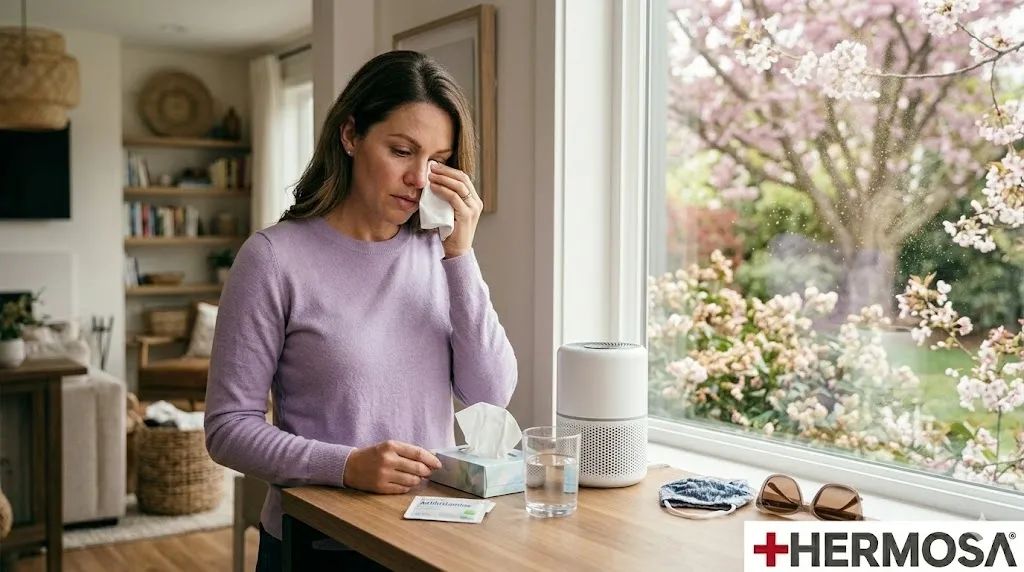
Seasonal Allergy Relief Tips: How to Manage Hay Fever and Spring Allergy Symptoms
Every spring millions of people wake up to the same unwelcome routine. The sneezing starts before you even get out of bed. Your eyes are itchy and watery before you have had your first cup of coffee. Your nose is running and your head feels stuffed and you know it is going to be this way for weeks. If you suffer from seasonal allergies you already know this feeling and you know how much it takes out of you when allergy season hits.
More than 50 million Americans deal with allergic reactions each year according to the American College of Allergy Asthma and Immunology. Hay fever or allergic rhinitis is one of the most common chronic conditions in the country and in a city like Chicago allergy season can stretch from late February all the way through October. That is a long time to feel miserable if you do not have a solid plan.
This article covers practical seasonal allergy relief tips from what actually triggers your symptoms to the best allergy medications and natural remedies for allergies and when it makes sense to talk to a health care provider about stronger treatment options or immunotherapy.
What Causes Seasonal Allergies and Why Your Body Reacts
Seasonal allergies happen when your immune system treats a harmless allergen like pollen or mold as a threat. When you breathe in pollen particles your body releases histamine and other chemicals to fight off what it wrongly sees as a danger. That reaction is what produces the runny nose and itchy eyes and sneezing and congestion that most people associate with hay fever.
The allergy causes are not complicated. Your immune system is just overreacting. But the result is very real and very disruptive. The American Academy of Allergy Asthma and Immunology and the Asthma and Allergy Foundation of America both describe allergic rhinitis as one of the most undertreated conditions in the country because so many people just push through the symptoms without ever finding real relief.
The three main seasonal allergen categories are tree pollen in late winter and spring and grass pollen in late spring and early summer and ragweed pollen and mold in late summer and fall. People with seasonal allergies often react to one or more of these and in cities like Chicago where all three seasons overlap significantly many residents end up dealing with allergy symptoms across most of the year.
Spring Allergy Triggers: What Is in the Air and When
Knowing what is triggering your symptoms and when those triggers peak is one of the best ways to manage seasonal allergies before they get out of hand. The pollen count is a daily measurement of how many pollen particles are in the air per cubic meter. On days when pollen counts are high symptoms are typically more severe and the best time to go outside is after rain or in the late afternoon when pollen levels tend to drop.
| Month | Primary Trigger | Pollen Level |
|---|---|---|
| February to March | Tree pollen begins | Low to moderate |
| April to May | Tree pollen and grass pollen peak | High |
| June to July | Grass pollen | Moderate to high |
| August to September | Ragweed pollen and weed pollen | High |
| October | Mold spores and late ragweed | Moderate |
| November to January | Indoor allergens | Low outdoor |
Common spring allergy triggers that stir up pollen or mold:
- Oak and elm and maple and birch and cedar tree pollen
- Timothy and Kentucky bluegrass grass pollen
- Ragweed pollen which is one of the most potent seasonal allergens
- Mold spores that increase after rain or in damp outdoor environments
- Wind which carries pollen from the air over long distances
- Lawn mowing and gardening which disturbs and spreads pollen or mold at ground level
Allergy Symptoms vs Cold: How to Tell Which One You Have
One of the most common points of confusion in allergy season is figuring out whether what you are feeling is allergic rhinitis or just a cold. Both cause a runny nose and sneezing and congestion. But knowing the difference matters because the treatment options are completely different.
The clearest ways to tell them apart are the presence of itching and the duration of symptoms. Allergies cause itchy eyes and an itchy nose and throat. Colds almost never do. Allergies also last for the entire duration of your exposure to the allergen which can mean weeks or months during peak season. A cold runs its course in 7 to 10 days.
| Symptom | Seasonal Allergies | Common Cold |
|---|---|---|
| Sneezing | Frequent and persistent | Present but less constant |
| Runny nose | Clear and watery | Starts clear then thickens |
| Itchy eyes and nose | Very common | Rare |
| Fever | Never | Sometimes |
| Duration | Weeks to months | 7 to 10 days |
| Fatigue | Mild | Often significant |
| Sore throat | Mild from post-nasal drip | Common |
| Body aches | No | Yes |
| Pattern | Same season every year | Random |
Seasonal Allergy Relief Tips That Actually Work
Reduce Pollen Exposure at Home
Reducing how much pollen gets into your home and onto your body is the foundation of seasonal allergy symptom control. You cannot eliminate pollen from the air but you can significantly reduce the amount of pollen you are breathing in with a few consistent daily habits.
How to reduce the amount of pollen in your environment:
- Keep windows and doors closed on days when pollen counts are high
- Check the daily pollen count before planning outdoor activity
- Schedule time outside in the late afternoon or after rain when pollen levels are lower
- Shower and change clothes after being outdoors to remove pollen from your hair and skin
- Dry laundry indoors during spring season rather than on an outdoor line where pollen sticks to fabric
- Use an air purifier with a HEPA filter in your bedroom to pull pollen particles from the air
- Vacuum regularly with a HEPA-filter vacuum to keep pollen from building up on floors and furniture
- Change your air conditioning filters regularly and use allergen-reducing filters to reduces the amount of pollen circulating indoors
Nasal Allergy Relief Tips
Nasal symptoms like congestion and post-nasal drip and itching are among the most disruptive effects of seasonal allergies. These nasal allergy relief tips help manage those symptoms with and without medication.
Practical nasal allergy relief tips:
- Use a saline nasal rinse daily to flush allergens and irritants out of the nasal passages. A simple rinse removes pollen from the nasal lining before it has a chance to trigger a full reaction
- Apply a thin layer of petroleum jelly just inside the nostrils to trap pollen particles before they enter the airways
- Stay well hydrated since water helps thin mucus and reduces congestion
- Sleep with your head slightly elevated to reduce nighttime post-nasal drip and morning stuffiness
- Avoid smoke since it inflames already irritated nasal tissue and makes allergy symptoms worse
- Use a nasal spray like Flonase as directed since nasal corticosteroid sprays are among the most effective treatments for nasal allergy symptoms according to allergy experts
Natural Remedies for Allergies
Natural remedies for allergies will not replace medical treatment for severe allergies but they can support your overall allergy management plan and reduce how often and how severely your symptoms flare.
Natural approaches that have real backing or reasonable evidence:
- A saline nasal rinse is one of the most consistently evidence-backed natural remedies for reducing congestion and allergen load in the nasal passages
- Quercetin-rich foods like onions and apples and berries have natural antihistamine-like properties that some research suggests may reduce allergy symptoms
- Butterbur extract has shown some evidence in research for reducing the symptoms of allergic rhinitis though you should talk to your health care provider before starting it
- Steam inhalation can temporarily open nasal passages and ease congestion
- Reducing inflammatory foods like processed sugar and alcohol may help reduce the intensity of the immune response during allergy season
- Local honey is sometimes suggested though the scientific evidence for it reducing pollen allergies is limited
Best Allergy Medicine for Spring: Over-the-Counter Options
Over-the-counter allergy medications are the first line of treatment for most people with seasonal allergy symptoms. The right choice depends on what your main symptoms are and whether you need daytime non-drowsy relief or help sleeping through nighttime congestion.
Antihistamines for seasonal allergies block histamine which is the chemical your body releases when it comes into contact with an allergen. Second-generation antihistamines like loratadine and fexofenadine are now preferred because they provide effective treatment without the drowsiness of older first-generation options. Flonase and similar nasal corticosteroid sprays are highly effective for nasal allergy symptoms and are available over-the-counter.
| Medication Type | Examples | Best For | Notes |
|---|---|---|---|
| Second-gen antihistamine | Loratadine and fexofenadine and cetirizine | Sneezing and itching and runny nose | Non-drowsy and once daily |
| First-gen antihistamine | Diphenhydramine | Nighttime relief | Causes drowsiness |
| Nasal corticosteroid spray | Flonase and budesonide | Congestion and nasal inflammation | Most effective for nasal symptoms |
| Decongestant | Pseudoephedrine and phenylephrine | Congestion | Not for long-term use or high blood pressure |
| Antihistamine eye drops | Ketotifen | Itchy and watery eyes | Applied directly to eyes |
| Combination products | Antihistamine plus decongestant | Multiple symptoms at once | Check with provider if you have heart or blood pressure concerns |
For most people with mild to moderate pollen allergies a daily non-drowsy antihistamine combined with a nasal spray covers the majority of seasonal allergy symptoms. If you are not getting enough relief from over-the-counter allergy medicines it is time to talk to your health care provider about prescription-level treatment options.
When Over-the-Counter Is Not Enough: Immunotherapy and Prescription Options
For people who suffer from seasonal allergies year after year and find that allergy medications only partially control their symptoms immunotherapy is the most effective long-term treatment available. Allergy shots are the most common form of immunotherapy. They work by exposing your immune system to gradually increasing amounts of the allergen over time until your body stops reacting to it.
The American College of Allergy Asthma and Immunology recommends allergy shots for patients with severe allergies and for patients whose symptoms are not adequately controlled with allergy medications alone. Sublingual immunotherapy in the form of drops or tablets placed under the tongue is an alternative to shots for some patients and can be taken at home.
Both forms of immunotherapy require a long-term commitment of 3 to 5 years but for many patients they provide relief that continues long after the treatment period ends. This is the only approach that changes how the immune system responds to an allergen rather than just masking the symptoms each season.
Signs that you may benefit from immunotherapy:
- Seasonal allergy symptoms that significantly affect your quality of life every year
- Symptoms not well controlled by antihistamines and nasal spray together
- Allergies that are also triggering or worsening asthma
- Multiple allergen triggers that make avoidance difficult
- A desire to reduce long-term dependence on daily allergy medications
- Children with allergic rhinitis who are at risk of developing asthma
Pollen Allergy Tips for Getting Through High Pollen Count Days
When pollen counts are high the best approach combines several strategies at once rather than relying on any single remedy. Here is a practical daily routine for managing symptoms on the worst days of allergy season.
- Check the pollen count before leaving the house and adjust your plans if levels are very high
- Take your antihistamine in the morning before symptoms start rather than waiting until you are already sneezing
- Keep windows and doors closed and run air conditioning on recirculate mode to keep pollen from the air outside from coming in
- Wear sunglasses outdoors to reduce the amount of pollen that reaches your eyes
- Rinse your face and hands as soon as you come inside and shower before bed to remove pollen from your skin and hair
- Move your workout indoors on high pollen days since outdoor exercise during peak pollen levels significantly increases your exposure
- Keep your car windows up and use air conditioning with a fresh cabin air filter
Allergy Season in Chicago: What to Expect and How to Plan
Allergy season in Chicago is one of the longer ones in the country. Tree pollen typically starts in late February or early March when temperatures begin to rise. By April and May tree pollen and grass pollen are both high at the same time. Ragweed season begins in August and can last well into October. That means many Chicago residents experience some level of allergy symptoms from February through October with only the winter months offering a real break.
Planning around the Chicago allergy calendar helps people with seasonal allergies manage their exposure and their medication timing more effectively. Starting an antihistamine a week before your worst season begins rather than waiting until symptoms are already bad gives the medication time to build up and work more effectively.
People with asthma should be especially careful during high pollen seasons in Chicago since allergens like ragweed pollen and grass pollen are known asthma triggers. If your seasonal allergies are also affecting your breathing talk to your health care provider about a more aggressive treatment plan that addresses both conditions together.
Common Mistakes People Make Managing Seasonal Allergies
- Starting allergy medication only after symptoms are already severe instead of beginning treatment before peak pollen season arrives
- Using first-generation antihistamines that cause drowsiness when loratadine and fexofenadine work just as well without the side effects
- Relying only on medication while ignoring environmental control strategies like closing windows and showering after outdoor time
- Never getting tested to find out exactly which allergens are triggering symptoms which makes targeted treatment impossible
- Treating seasonal allergies as an inconvenience rather than a medical condition that affects sleep and energy and productivity
- Stopping immunotherapy early when the full 3 to 5 year course is what delivers lasting results
Why Choose Hermosa Medical Center for Allergy Care in Chicago
Hermosa Medical Center offers allergy and immunotherapy services for Chicago patients who want more than a temporary fix for their seasonal allergy symptoms. Whether you are struggling with spring allergies for the first time or have been dealing with hay fever for years the team at Hermosa can evaluate your allergen triggers and build a real treatment plan around your specific situation.
On-site allergy services at Hermosa include allergy testing and immunotherapy and management of allergic rhinitis and asthma-related allergy complications. For patients who need prescription-level treatment the providers at Hermosa can coordinate that care without sending you to multiple separate locations. The on-site pharmacy fills prescriptions before you leave so you can start treatment the same day.
For patients who need same-day care during a severe allergy flare urgent care services are available without an appointment. For children dealing with seasonal allergies the primary care and pediatric team handles allergy evaluation and management for every age group. Hermosa serves Chicago patients in English and Arabic and Spanish and accepts Medicaid and Medicare and most insurance plans as well as self-pay patients.
Benefits of Allergy Care at Hermosa Medical Center
- Expert allergy evaluation: Identify your specific allergen triggers so treatment is targeted and effective rather than guesswork
- Immunotherapy available: Long-term allergy desensitization for patients who want lasting relief beyond daily medication
- Same-day prescriptions: The on-site pharmacy fills nasal sprays and antihistamines and prescription allergy treatments before you leave
- Pediatric and adult care: Allergy testing and treatment for the whole family in one location
- Walk-in access: No appointment needed for acute allergy flares during operating hours from 9:00 AM to 5:00 PM
- Affordable for everyone: Medicaid and Medicare and insured and self-pay patients all welcome
Real Patient Stories at Hermosa Medical Center
A 32-year-old Chicago woman had suffered from severe spring allergies every year since childhood. She was taking a daily antihistamine from March through June but still spending most of allergy season feeling miserable with constant congestion and itchy eyes and sneezing that would not stop. At Hermosa she was tested for her specific allergen triggers and started on a personalized immunotherapy plan. By her second allergy season she noticed a dramatic improvement and by the third she was barely reaching for her medication at all.
A father brought his 9-year-old son in during peak pollen season because the child had been missing school regularly due to severe nasal congestion and fatigue. He had been given a first-generation antihistamine that was making him drowsy in class. At Hermosa the provider switched him to a non-drowsy second-generation option and added a nasal spray and gave the family practical tips for reducing pollen exposure at home. Within two weeks the child was back to full attendance and feeling much more like himself.
A 45-year-old Chicago resident came in convinced she had been catching colds repeatedly every spring for the past three years. After reviewing her symptoms and their timing her provider diagnosed her with allergic rhinitis triggered by tree pollen and grass pollen. She had never connected her recurring spring illness to seasonal allergies. She was started on a combination treatment plan and given a pollen avoidance routine. She later said it was the first spring in years where she actually felt well.
Note: These represent composite patient experiences. Legal review recommended before publishing.
Frequently Asked Questions About Seasonal Allergy Relief
What are the best seasonal allergy relief tips for spring?
The most effective seasonal allergy relief tips for spring include starting your antihistamine before peak season begins and keeping windows closed when pollen counts are high and showering after time outdoors and using a daily nasal saline rinse. Combining environmental control with the right medication gives much better results than medication alone.
How do I know if I have seasonal allergies or a cold?
Seasonal allergies cause itchy eyes and an itchy nose and a clear runny nose and sneezing that lasts for weeks or months during pollen season. A cold runs its course in 7 to 10 days and may include fever and body aches. If your symptoms return at the same time every year and include itching it is almost certainly allergies.
What is the best antihistamine for seasonal allergies?
Second-generation antihistamines like loratadine and fexofenadine and cetirizine are the most commonly recommended options because they are effective and non-drowsy and only need to be taken once a day. Your health care provider can help you choose the right one based on your symptoms and health history.
Can immunotherapy get rid of seasonal allergies long term?
Immunotherapy does not cure allergies but it retrains the immune system to stop overreacting to specific allergens. Many patients who complete a full course of allergy shots or sublingual immunotherapy experience dramatic and lasting reduction in symptoms often for years after the treatment period ends.
When is allergy season in Chicago?
Allergy season in Chicago typically begins in late February with tree pollen and continues through spring with grass pollen peaking in May and June. Ragweed season begins in August and can extend into October. Many Chicago residents deal with overlapping allergen triggers across most of the year making consistent management especially important.
Does Hermosa Medical Center offer allergy testing and treatment?
Yes. Hermosa Medical Center at 2004 N Pulaski Rd Chicago IL 60639 offers allergy and immunotherapy services for both adults and children. You can book an appointment online or call 773-772-8876 to get started with an allergy evaluation today.
Stop Sneezing and Start Feeling Better This Season
Seasonal allergy relief tips work best when they are layered together. Reducing your pollen exposure and using the right antihistamine or nasal spray and knowing when to step up to prescription treatment or immunotherapy gives you a real path to feeling better rather than just pushing through allergy season every year.
For Chicago residents who are tired of hay fever disrupting their spring and summer Hermosa Medical Center is ready to help. Visit us at 2004 N Pulaski Rd Chicago IL 60639 or call 773-772-8876 or book an appointment online today.
Follow Hermosa Medical Center for allergy tips and health updates and community news: