


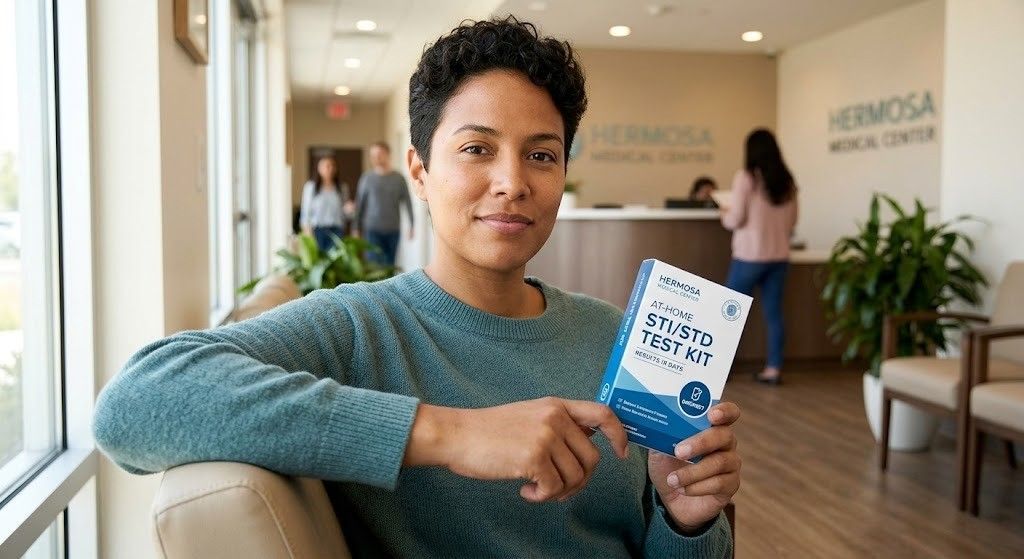
How Often Should You Get Tested for STDs
How Often Should You Get Tested for STDs
You had one night you were not exactly careful about. Or maybe its been a while since your last checkup and you just cant remember when you got tested last. Either way you are here because you want a real answer and not a lecture.
Here is the thing about STDs. Most of them do not come with a warning sign. No fever no rash no burning. Nothing. You can carry chlamydia or HIV or herpes for months and feel completely normal while it quietly does damage or gets passed to someone else. That is exactly why testing on a schedule matters more than waiting for a symptom that may never show up.
This article breaks down how often you should actually get tested based on your risk level your age and your situation. No fluff just the guidelines healthcare providers actually use.
Why Regular STD Testing Matters
Testing regularly is not about assuming something is wrong. Its about catching something early before it turns into a bigger problem. A lot of people think if they feel fine they are fine. That is not how sexually transmitted infections work most of the time.
STDs Often Show No Symptoms
Chlamydia and gonorrhea often have zero symptoms especially in women. Same goes for early stage HIV and herpes in a lot of cases. You could test positive and have no idea unless you actually get tested. This is the whole reason routine screening exists. Its not built around symptoms. Its built around exposure and time.
Untreated STDs Can Cause Serious Health Problems
Left untreated some of these infections can cause real damage. Chlamydia and gonorrhea can lead to pelvic inflammatory disease in women which can affect fertility down the road. Untreated syphilis can eventually affect the heart and nervous system. Hepatitis B and C can damage the liver over years without a person even knowing it. And HIV left unmanaged progresses and weakens the immune system. None of this is meant to scare you. Its meant to explain why waiting on symptoms is not a great strategy.
How Often Should You Get Tested for STDs
If you want the short direct answer here it is. Sexually active adults should get tested for STDs at least once a year even in a monogamous relationship. If you have new or multiple partners testing every 3 to 6 months is a smarter interval. Pregnant women should be tested as part of routine prenatal care. And if you are a man who has sex with men more frequent HIV and STI testing is generally recommended.
Testing Guidelines for Sexually Active Adults
For most sexually active adults getting tested once a year covers the basics. This usually includes testing for chlamydia and gonorrhea and depending on your history syphilis and HIV as well. Women 25 years and younger who are sexually active are commonly advised to get tested for chlamydia and gonorrhea every year since infection rates tend to be higher in that age group.
Testing Frequency if You Have Multiple Partners
If you have multiple sex partners or you are dating around the yearly schedule is not enough. Every 3 to 6 months is what most health clinics and providers recommend in this case. New partner means new exposure risk and testing after a new sex partner even if you used protection is just smart practice.
Testing Frequency for Men Who Have Sex With Men
Men who have sex with men are generally advised to get tested more frequently than the general population. That often means testing for HIV syphilis and gonorrhea and chlamydia every 3 to 6 months especially with multiple partners or unprotected sexual contact. The Centers for Disease Control and Prevention along with local health departments have spoken on this pretty clearly through their guidance on sexual health and preventing the spread of infection in higher risk groups.
Testing Guidelines for Pregnant Women
Pregnant women also need to be tested as part of a routine prenatal screening. This typically includes tests for HIV syphilis hepatitis B and sometimes chlamydia and gonorrhea depending on risk factors. Catching an infection early in pregnancy protects both the mother and the baby.
HIV Testing Frequency Recommendations
At minimum most adults should get an HIV test at least once as part of routine healthcare and at least once a year if sexually active. For those at higher risk that includes people with multiple partners or a partner who has an STI more frequent HIV testing every 3 to 6 months is often recommended.
Risk Factors That Change How Often You Should Get Tested
Not everyone needs the exact same testing schedule. Your actual risk level should guide how often you go in.
Unprotected Sex
Unprotected sexual contact whether vaginal anal or oral raises your exposure risk significantly. A lot of people assume oral or anal sex carries less risk than vaginal sex. That is not really true. STDs can absolutely be passed through oral or anal sex too so if that is part of your sex life it belongs in the testing conversation.
New or Multiple Partners
Every new partner is a new variable. You do not always know a partners full sexual history and honestly they might not know it fully either. This is one of the biggest reasons providers recommend testing after a new sex partner rather than assuming everything is fine.
Past STD Diagnosis
If you have tested positive for an STD before your risk of another infection is generally higher going forward. Past diagnosis is a signal to test more often not less.
IV Drug Use or Shared Needles
Sharing needles is a direct route for hepatitis B hepatitis C and HIV transmission. If this applies to you frequent testing is strongly recommended regardless of sexual activity.
Which STD Tests You Need and How Often
Different infections need different tests and different intervals. Here is a simple breakdown.
| Infection | Test Type | Recommended Frequency |
|---|---|---|
| Chlamydia and gonorrhea | Urine test or swab | Yearly or every 3 to 6 months if high risk |
| Syphilis | Blood test | Yearly or every 3 to 6 months if high risk |
| Genital herpes | Swab of active sore or blood test | As needed based on symptoms or exposure |
| HPV | Pap test for cervical cancer screening in women | Every 3 years starting at 21 or as advised by your provider |
| HIV | Blood test | At least once a year and every 3 to 6 months if high risk |
| Hepatitis B and C | Blood test | Based on risk factors and exposure history |
Chlamydia and Gonorrhea Testing
These two are usually tested together since they are both common and often symptom free. A simple urine test or swab covers both.
Syphilis Testing
Syphilis is tested through a blood test. Its especially important to include in routine screening for anyone with multiple partners or a new partner.
Genital Herpes Testing
Herpes testing is a little different since blood tests are not always recommended for people without symptoms. If you notice a sore your provider can swab it directly for a more accurate result.
HPV Testing
HPV testing for women is generally done through a pap test which also screens for cervical cancer. This is usually spaced out every few years rather than annually unless your provider says otherwise.
HIV Testing
HIV testing is a simple blood test and honestly one of the easiest tests to get done. Frequent HIV testing is especially important for anyone in a higher risk category.
Signs You Should Get Tested Sooner
Even without symptoms there are moments where you should not wait for your next scheduled test. That includes unprotected sex with a new partner finding out a partner has tested positive for an STI noticing any unusual discharge sores or burning or simply feeling unsure about your last exposure. When in doubt just get tested. Its faster and less stressful than waiting and wondering.
What Happens During an STD Screening
STD screening is usually quick and a lot less complicated than people expect. Depending on what you are being tested for it might involve a blood test a urine sample or a swab.
Types of Tests
Blood tests are used for HIV syphilis and hepatitis. Urine tests are commonly used for chlamydia and gonorrhea. Swabs are used for herpes and sometimes for gonorrhea and chlamydia as well depending on the exposure site.
What to Expect at Your Visit
You will talk with a provider about your sexual history and any symptoms. Based on that a testing plan is put together for you. Most visits are quick and confidential and results typically come back within a few days depending on the test.
Why Choose Hermosa Medical Center for STD Testing
Getting tested should not feel complicated or awkward and that is exactly what we focused on at Hermosa Medical Center. We have been serving the Chicago community for over 33 years and our walk in model means you do not need to wait weeks for an appointment slot. Our STD Screenings are handled with full confidentiality and our on site lab means results move faster since nothing has to be shipped out. We accept Medicaid Medicare BCBS Aetna Cigna Tricare Wellcare and cash so cost does not have to be the reason you put off testing. If you need a broader checkup alongside testing our Primary Care team can help with that too and if you need treatment right after your results our on site Pharmacy makes that step easier as well.
If you are pregnant our Gynecology team can fold STD screening into your prenatal visits without adding extra appointments to your plate. And if something feels off right now and you do not want to wait our Urgent Care is open and ready to see you the same day.
Book Your STD Screening Today
You do not need a reason to get tested. Peace of mind is reason enough. Whether its been a year or you just want to be sure after a new partner Hermosa Medical Center makes testing simple straightforward and judgment free. Walk in or call us at 773 772 8876 to schedule your visit. We are located at 2004 N Pulaski Rd Chicago IL 60639 and open daily from 9 AM to 5 PM.
Frequently Asked Questions
How often should sexually active adults get tested for STDs
Most sexually active adults should get tested at least once a year. If you have multiple partners or a new partner testing every 3 to 6 months is a better interval.
Can you have an STD with no symptoms
Yes. Chlamydia gonorrhea HIV and herpes can all be present without any noticeable symptoms. This is why routine testing matters more than waiting to feel sick.
How often should you get tested if you have multiple partners
Every 3 to 6 months is generally recommended for people with multiple sex partners since new exposure raises your risk each time.
What STD tests should pregnant women get
Pregnant women are typically tested for HIV syphilis and hepatitis B as part of routine prenatal care and sometimes chlamydia and gonorrhea depending on risk factors.
How often should you get an HIV test
At least once a year for most sexually active adults and every 3 to 6 months for those at higher risk including men who have sex with men or people with multiple partners.
Is STD testing confidential
Yes. STD testing is handled privately between you and your provider and results are not shared without your consent.
How soon after unprotected sex should you get tested
Different infections have different window periods before they show up accurately on a test. Your provider can guide you on timing based on what you are being tested for.
Do you need to get tested for oral or anal sex
Yes. STDs can be passed through oral and anal sex the same way they can through vaginal sex so both should be part of the testing conversation.
How much does STD testing cost
Cost depends on your insurance coverage. Hermosa Medical Center accepts Medicaid Medicare BCBS Aetna Cigna Tricare Wellcare and also offers cash pricing for those without insurance.
Can you get tested for STDs same day
Yes. Hermosa Medical Center is a walk in clinic so you can often get tested the same day without needing to book weeks in advance.