

High Blood Pressure Symptoms Subtle Signs and What They Mean
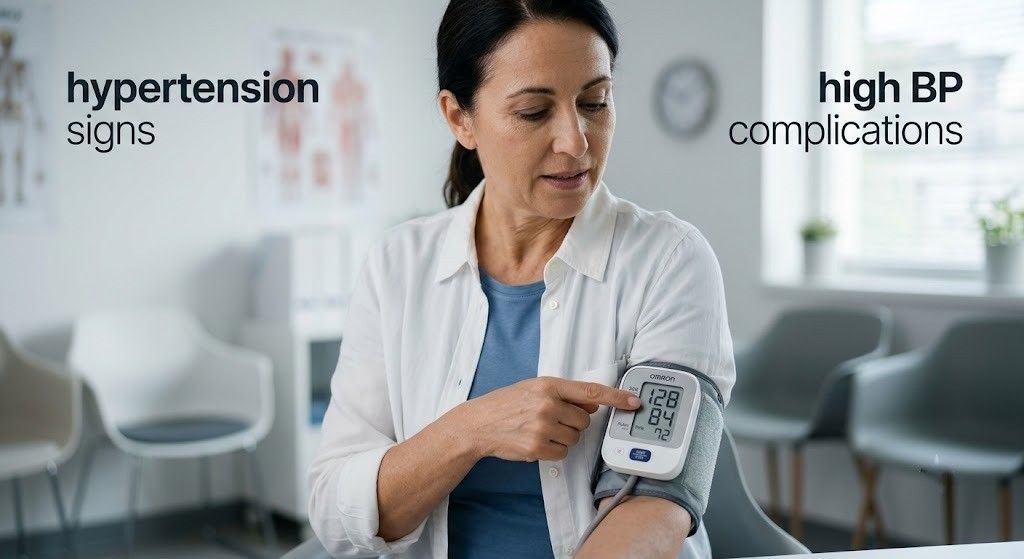
High Blood Pressure Symptoms Subtle Signs and What They Mean
You checked your blood pressure at a pharmacy machine or on a cuff at home and the number came back higher than you expected. Now you are sitting there wondering if that headache from earlier or the tired feeling you had all week actually meant something. Here is the honest answer. Most people with high blood pressure feel completely fine. No headache. No warning sign. Nothing at all. And that is exactly why this condition catches so many people off guard.
This article walks through what high blood pressure actually is and which symptoms are real versus which ones only show up once things get dangerous. It also covers what causes it what it can damage over time and when a reading means you should get checked the same day.
What Is High Blood Pressure
Blood pressure is the force of blood pushing against your artery walls as your heart pumps it through your body. Every time your heart beats it pushes blood out through your blood vessels and that push creates pressure. When that pressure stays too high for too long doctors call it hypertension.
Think of your arteries like garden hoses. A little pressure keeps water moving the way it should. Too much pressure and the hose walls start to wear down over years. Your blood vessels work the same way. High blood pressure does not hurt in the moment but it slowly damages the lining of your arteries and forces your heart to work harder to pump enough blood and oxygen to the rest of your body.
A blood pressure reading always has two numbers. The top number is systolic pressure and it measures the force when your heart beats. The bottom number is diastolic pressure and it measures the pressure in your blood vessels between beats when your heart is resting. Providers measure blood pressure using both numbers together not just one.
Blood Pressure Categories Explained
Knowing where your numbers land tells you a lot more than the word normal or high ever could. The American Heart Association breaks blood pressure down into a few clear categories.
| Category | Systolic mm Hg | Diastolic mm Hg |
|---|---|---|
| Normal | Below 120 | Below 80 |
| Elevated | 120 to 129 | Below 80 |
| High Blood Pressure Stage 1 | 130 to 139 | 80 to 89 |
| High Blood Pressure Stage 2 | 140 or higher | 90 or higher |
| Hypertensive Crisis | Higher than 180 | Higher than 120 |
A single high reading does not always mean you have hypertension. Blood pressure moves around during the day based on stress caffeine activity and even how you are sitting when it gets checked. Most healthcare providers want to see elevated readings across two or three separate visits before confirming a real diagnosis. This is also why the type known as white coat hypertension exists where a reading spikes at the doctor office from nerves alone but looks normal everywhere else. The opposite can also happen and it is called masked hypertension where the office reading looks fine but home readings run high. That is one more reason regular blood pressure checks matter instead of relying on a single number from one visit.
Systolic vs Diastolic Pressure
Systolic blood pressure is the pressure when your heart contracts and pushes blood out. Diastolic blood pressure is the pressure in the arteries when your heart relaxes between beats. Both numbers matter but for adults over fifty systolic pressure tends to be the stronger predictor of heart disease risk since arteries naturally stiffen with age.
Common Symptoms of High Blood Pressure
For most people high blood pressure has no obvious symptoms at all especially in the early stages. That said some people do notice subtle changes and it helps to know what those look like versus what only shows up once blood pressure is dangerously high.
Subtle and Early Symptoms People Miss
These symptoms are easy to brush off because they overlap with dozens of other everyday issues.
- Mild headaches that come and go without a clear cause
- Feeling unusually tired or worn out even after rest
- Occasional dizziness or lightheadedness
- Shortness of breath during light activity
- Blurred vision or eyes that feel strained
- A pounding sensation in your chest neck or ears
None of these symptoms are proof on their own that your blood pressure is high. Plenty of things cause fatigue or dizziness. What they do is give you a reason to get your blood pressure checked instead of guessing.
Symptoms of a Hypertensive Crisis
This is different and it is not something to wait out. A hypertensive crisis happens when blood pressure spikes to 180 over 120 or higher. At that level the symptoms tend to be much harder to ignore. Watch for a severe headache that comes on suddenly chest pain trouble breathing numbness or weakness on one side of the body confusion or trouble speaking and vision changes that come on fast. If you or someone near you has a reading that high along with any of these symptoms that is an emergency and it needs care right away not a next day appointment.
Why High Blood Pressure Is Called the Silent Killer
High blood pressure earns the nickname silent killer because it can damage your heart kidneys and blood vessels for years before you ever feel a single symptom. Your body does not send a clear signal when your arteries are under strain. By the time symptoms show up in many cases real damage has already been done which is why regular blood pressure checks matter even when you feel perfectly healthy.
What Causes High Blood Pressure
There is rarely one single cause of high blood pressure. It usually comes from a mix of factors some you control and some you do not.
Risk Factors You Cannot Control
Age plays a role since blood vessels naturally stiffen over time. Family history matters too if your parents or siblings have had high blood pressure your risk goes up. Race is also a known factor with Black adults in the United States developing high blood pressure at higher rates and often at younger ages. Certain chronic conditions like kidney disease or diabetes can also raise your risk for high blood pressure.
Lifestyle Factors That Raise Blood Pressure
A diet high in sodium can raise blood pressure over time. So can carrying extra weight since your heart has to work harder to pump enough blood and oxygen through more tissue. Lack of physical activity smoking regularly drinking too much alcohol and chronic stress all contribute as well. Poor sleep especially untreated sleep apnea is another factor that gets missed often even though it directly affects blood pressure overnight.
Complications of Untreated High Blood Pressure
When blood pressure stays high for years without treatment it can quietly damage several organs at once.
Effects on the Heart
Your heart has to work harder to pump blood against constant high pressure. Over time that extra strain can enlarge the heart muscle and eventually lead to heart failure a heart attack or an irregular heartbeat.
Effects on the Kidneys
Your kidneys rely on healthy blood vessels to filter waste properly. High blood pressure can damage the arteries leading to the kidneys and over years that damage can progress into chronic kidney disease.
Effects on Stroke Risk and Vision
High blood pressure is one of the biggest risk factors for stroke since it can weaken or narrow the arteries supplying blood to the brain. It can also damage the tiny blood vessels in your eyes which may affect vision over time.
How Blood Pressure Is Measured
Getting an accurate reading matters just as much as getting checked in the first place. A rushed or incorrect reading can make your numbers look higher or lower than they really are.
Reading Your Numbers Correctly
Every blood pressure reading shows systolic over diastolic such as 118 over 76. The top number always comes first and represents the pressure during a heartbeat. The bottom number comes second and represents the pressure between beats. Providers measure blood pressure with either a manual cuff and stethoscope or an automatic blood pressure monitor and both methods are considered accurate when used correctly.
Home Monitoring vs an In Office Blood Pressure Check
An in office check gives your provider a professional reading and lets them track changes visit to visit. A home blood pressure monitor lets you track your numbers over days and weeks which helps rule out things like white coat hypertension. Most healthcare providers recommend using both together especially if you already have elevated readings or a family history of hypertension.
Steps for an Accurate Home Reading
- Sit quietly for five minutes before taking your reading
- Keep your feet flat on the floor and your back supported
- Rest your arm on a table at heart level
- Avoid caffeine exercise or smoking for thirty minutes beforehand
- Take two readings one minute apart and record both
When to See a Doctor About High Blood Pressure
If your readings are consistently in the elevated or stage one range it is worth scheduling an appointment with a primary care doctor or an internal medicine provider so they can review your numbers and talk through next steps. Catching a rising trend early gives you far more options than waiting until things get worse.
Emergency Warning Signs That Need Urgent Care
If your reading is 180 over 120 or higher and you also have chest pain trouble breathing confusion or sudden weakness do not wait for a scheduled visit. That combination needs walk in urgent care or emergency attention the same day.
How High Blood Pressure Is Diagnosed and Managed
Diagnosis usually comes from multiple elevated readings taken on different days rather than one single number. Once high blood pressure is confirmed the care plan is usually built around two things working together.
Lifestyle Based Management
For many people especially in the early or elevated stages lifestyle changes alone can bring numbers down. That includes reducing sodium staying active most days of the week limiting alcohol quitting smoking and managing stress. These changes take consistency more than intensity and small steady shifts tend to work better than drastic short term ones.
Medication and Ongoing Monitoring
When lifestyle changes are not enough on their own or when blood pressure is already in stage two providers often add medication to the plan. There are several types of high blood pressure medication and the right one depends on your overall health history and any other conditions you have. Ongoing monitoring matters here too since doses sometimes need adjusting over time.
Hypertension Diet and Lifestyle Tips
Food choices have a direct and well documented effect on blood pressure and small changes add up.
Foods That Help Lower Blood Pressure
Leafy greens bananas berries oats beans and fatty fish like salmon all support healthy blood pressure. Foods rich in potassium in particular help balance out the effects of sodium in your diet.
Foods and Habits to Limit
Processed and packaged foods tend to be loaded with hidden sodium even when they do not taste salty. Fast food canned soups deli meats and frozen dinners are common culprits. Cutting back on alcohol and paying attention to portion sizes at restaurants also makes a real difference over time.
Why Choose Hermosa Medical Center for Blood Pressure Care
Hermosa Medical Center has served the Chicago community for more than 33 years and blood pressure care is something the team handles every single day. You can walk in without an appointment between 9 AM and 5 PM and get your blood pressure checked by a provider who actually has time to talk through your numbers with you. On site cardiology and internal medicine teams mean you do not have to bounce between different offices if follow up care or testing is needed. The on site pharmacy also means that if medication becomes part of your plan you can fill it in the same building the same day. Hermosa accepts Medicaid Medicare BCBS Aetna Cigna Tricare Wellcare and cash so cost should never be the reason a reading goes unchecked.
Book a Blood Pressure Check at Hermosa Medical Center
If your last reading left you uneasy or if it has simply been a while since your blood pressure was checked come see us. No appointment is required. Walk in any weekday between 9 AM and 5 PM at 2004 N Pulaski Rd Chicago IL 60639 or call 773 772 8876 to speak with our team directly.
Frequently Asked Questions
What is considered high blood pressure
A reading of 130 over 80 or higher on two or more separate visits is generally considered high blood pressure. Anything at 140 over 90 or above is classified as stage two which usually calls for a more active treatment plan.
What are the first signs of high blood pressure
In most cases there are no clear first signs at all. When symptoms do show up early they tend to be mild things like occasional headaches slight dizziness or feeling more tired than usual.
Can high blood pressure make you feel dizzy or tired
It can in some people but dizziness and fatigue have many other common causes too. The only way to know for sure if your blood pressure is behind it is to get your numbers checked.
Does high blood pressure cause headaches
Not usually in the early stages. Headaches tend to show up when blood pressure reaches very high levels such as during a hypertensive crisis rather than at mild or moderate elevations.
What blood pressure number counts as an emergency
A reading of 180 over 120 or higher paired with symptoms like chest pain trouble breathing or confusion is considered a hypertensive emergency and needs care right away.
Can stress cause high blood pressure
Stress can cause short term spikes in blood pressure but it does not usually cause long term chronic hypertension on its own. That said ongoing chronic stress can contribute to habits like poor sleep and overeating which do raise long term risk.
What foods help lower blood pressure naturally
Foods rich in potassium and low in sodium tend to help the most. That includes leafy greens bananas oats beans and fish along with cutting back on processed and packaged foods.
How often should I get my blood pressure checked
Adults with normal readings are usually advised to get checked at least once a year. If your numbers run elevated or you have risk factors like family history your provider may recommend checking every few months or monitoring at home.
Can high blood pressure be reversed with lifestyle changes alone
In the elevated or stage one range lifestyle changes alone can often bring numbers back down. In stage two or with other health conditions involved medication is often needed alongside lifestyle changes.
Does high blood pressure affect pregnancy
Yes. Conditions like gestational hypertension and preeclampsia involve high blood pressure during pregnancy and need close monitoring through prenatal visits to keep both mother and baby safe.