

X ray vs MRI vs CT Scan: How to Know Which Imaging Test You Need
X ray vs MRI vs CT Scan: How to Know Which Imaging Test You Need
`
You twist your ankle on the stairs or your back has been aching for weeks and your doctor says lets get some imaging done. Then comes the question nobody explains well enough. X ray or CT scan or MRI. Which one and why. Patients walk into imaging appointments all the time without really knowing what the machine is even checking for.
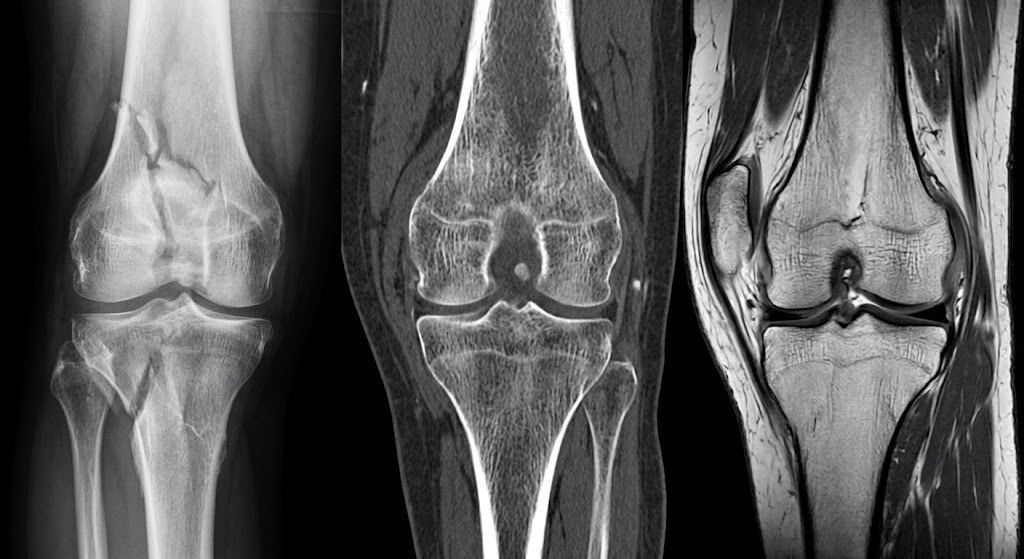
Here is the thing. Each of these three tests looks at your body in a completely different way. One is fast and cheap and great for bones. One builds detailed cross sectional pictures using a ring of x rays. And one uses magnets and radio waves to show soft tissue that the other two simply cannot capture. Once you understand what each test actually does the whole process stops feeling like a mystery.
This article walks through what an x ray a CT scan and an MRI each do and when your doctor is likely to order one over the other. By the end you will know enough to have a real conversation with your provider instead of just nodding along.
What Is Medical Imaging and Why Doctors Order It
Medical imaging is a general term for tests that create pictures of the inside of your body without surgery. Doctors order imaging when a physical exam and your symptoms alone are not enough to figure out whats going on. Maybe theres a bone that could be broken. Maybe theres pain that keeps returning and nobody can pinpoint the cause. Maybe a doctor is checking blood vessels or organs before deciding on treatment.
X ray CT scan and MRI are the three imaging tools patients hear about most often. Ultrasound is another common one and we will touch on that too. Each tool sends a different kind of energy through the body and each one is built for a different job. Knowing the basic purpose of each test makes the whole imaging process a lot less confusing.
What Is an X ray and When Is It Used
An x ray is the fastest and most familiar imaging test out there. It sends a small dose of radiation through the body and the parts that are dense like bone show up white on the film while soft tissue barely shows at all. Doctors reach for x ray first in a lot of situations because its quick and it answers the most urgent question right away. Is something broken.
How an X ray Works
An x ray machine sends radiation through the body onto a detector or film on the other side. Dense structures like bone block more of the radiation so they appear white in the image. Softer tissue like muscle and fat lets more radiation through so it shows up gray or dark. The whole process takes just a few minutes and the images are ready quickly which is part of why x ray is often the first test ordered in urgent care and ER settings.
Common Conditions an X ray Catches
X rays are limited to scanning bones and a few other dense structures but within that lane they are excellent. Doctors use x ray to check for fractures and broken bones dislocated joints arthritis in the joints and spine alignment problems. Chest x rays can also pick up on pneumonia and some lung conditions and dental x rays show cavities and issues below the gum line. If your ankle is swollen after a fall an x ray is almost always the first stop.
Radiation Exposure With an X ray
X ray does use ionizing radiation but the dose for a standard x ray is small. A single chest x ray delivers about the same amount of radiation you would get from natural background sources over a few days. For most patients this is not a concern. Pregnant patients and children are usually screened with extra caution and providers will always weigh the benefit of the test against the small risk.
What Is a CT Scan and When Is It Used
A CT scan or computed tomography scan is basically an x ray taken to another level. Instead of one flat image a CT scanner combines multiple x ray images taken from different angles around the body and a computer stitches them together into detailed cross sectional images. Think of it like slicing a loaf of bread and looking at each slice individually instead of just the outside of the loaf.
How a CT Scan Works
During a CT scan you lie on a table that slides through a donut shaped scanner. The scanner rotates around you sending x ray beams from many angles at once. A computer combines all of that data into detailed cross sectional images of the body that a radiologist can scroll through layer by layer. CT scans are fast and usually take only a few minutes which makes them useful in emergency situations where time matters.
Common Conditions a CT Scan Catches
CT scans are often used to check for internal bleeding organ injuries after trauma blood clots kidney stones tumors and certain types of cancer. Cardiology teams sometimes use CT imaging to get a clearer look at blood vessels around the heart. Because CT scans show both bone and soft tissue in one pass they are a strong middle ground option when a doctor needs more detail than an x ray but does not need the soft tissue precision of an MRI.
Radiation and Safety With a CT Scan
CT scans use more radiation than a standard x ray because the machine is capturing many images from different angles. Its still considered safe for the vast majority of patients and providers order CT scans when the diagnostic benefit clearly outweighs the radiation exposure. Contrast dye is sometimes given before a CT scan to make blood vessels and certain organs show up more clearly and we will cover that more later in this article.
What Is an MRI and When Is It Used
MRI stands for magnetic resonance imaging and its the only one of these three tests that does not use radiation at all. Instead an MRI machine uses a strong magnetic field and radio waves to create extremely detailed images of soft tissue. This makes MRI the go to test for anything involving muscles ligaments tendons nerves and the brain and spinal cord.
How an MRI Works Using Magnetic Fields and Radio Waves
An MRI scanner creates a magnetic field around your body and sends radio waves through the area being examined. Your bodys water molecules respond to that magnetic field and the machine picks up the signal they send back. A computer turns that signal into extremely detailed images of soft tissue and organs. Because there is no radiation involved MRI is considered safe for repeated use when a condition needs to be tracked over time.
Common Conditions an MRI Catches
MRI offers a level of soft tissue detail that x ray and CT simply cannot match. Doctors order MRI to look at torn ligaments and tendons brain and spinal cord conditions joint damage tumors in soft tissue and nerve compression. If a CT scan comes back unclear and the doctor still suspects a soft tissue problem an MRI is usually the next step.
MRI for Back Pain Joint Pain and Soft Tissue Injuries
Back pain is one of the most common reasons patients end up getting an MRI. If pain has lasted more than a few weeks or comes with numbness tingling or weakness in the legs an MRI can show whether a disc is herniated or pressing on a nerve. This is something an x ray cannot show since x ray only picks up bone. The same goes for knee and shoulder injuries where torn cartilage or ligament damage would never show up on a standard x ray. For a lot of patients dealing with ongoing joint pain the MRI is the test that finally explains whats actually going on.
MRI vs Ultrasound What Is the Difference
Ultrasound and MRI both avoid radiation but they work in very different ways and get used for different things. Ultrasound uses sound waves bounced off tissue to build a live moving image and its most common for pregnancy checks abdominal organs and quick soft tissue looks. MRI uses magnetic fields and radio waves and produces much more detailed still images which makes it better for things like joint injuries brain conditions and spinal problems. Ultrasound is faster and cheaper. MRI gives more detail but takes longer and costs more.
X ray vs CT Scan vs MRI Key Differences Explained
Each imaging test uses different technology and each one is built to answer a different type of question. X ray is the fastest and typically quicker than a CT scan or MRI. CT scans are fast too and combine x rays with computer technology to build cross sectional images. MRI takes longer than both because building detailed images with magnetic fields and radio waves is a slower process but the tradeoff is unmatched soft tissue detail.
Speed Cost and Level of Detail Compared
X ray is the cheapest and quickest option and works well for bone related questions. CT scan takes a few minutes longer than x ray and costs more but shows both bone and soft tissue in one scan. MRI takes the longest often twenty to sixty minutes and costs the most of the three but gives the most detailed images of soft tissue nerves and ligaments. Which test is worth the extra time and cost really depends on what the doctor is trying to rule out.
Radiation Comparison Between the Three Tests
X ray uses a small dose of radiation. CT scan uses a higher dose of radiation because it captures many images from different angles. MRI uses no radiation at all since it relies on magnetic fields and radio waves instead. For patients who need repeated imaging over time such as monitoring a chronic condition doctors will often lean toward MRI or ultrasound when radiation exposure is a concern.
Side by Side Comparison Table
| Test | Uses Radiation | Best For | Typical Time | Cost Level |
|---|---|---|---|---|
| X ray | Small dose | Bones and fractures | A few minutes | Lowest |
| CT Scan | Higher dose | Internal organs bleeding trauma | About 5 to 15 minutes | Moderate |
| MRI | None | Soft tissue nerves brain and spine | 20 to 60 minutes | Highest |
An x ray is the fastest and cheapest imaging test and its best for checking bones and fractures. A CT scan combines multiple x ray images into detailed cross sectional pictures and works well for internal injuries and organs. An MRI uses magnetic fields and radio waves with no radiation and gives the most detailed view of soft tissue nerves and the spine.
How Doctors Decide Which Imaging Test You Need
Doctors do not pick an imaging test at random. They match the test to the symptom and the part of the body being checked.
- If theres a suspected broken bone joint pain after an injury or a need to check spine alignment the doctor usually starts with an x ray.
- If theres a concern about internal bleeding organ damage after trauma kidney stones or a fast growing mass the doctor usually orders a CT scan.
- If theres ongoing back pain nerve symptoms a suspected torn ligament or a brain or spinal cord concern the doctor usually orders an MRI.
Symptoms That Usually Point to an X ray
Sudden injury with visible swelling or deformity suspected fractures joint pain after a fall and chest pain with breathing trouble that could point to pneumonia are all common reasons for an x ray. Its the go to first step because its fast and it rules out or confirms a bone issue right away.
Symptoms That Usually Point to a CT Scan
Severe abdominal pain trauma from an accident sudden severe headache that could signal bleeding and suspected kidney stones often lead to a CT scan. Emergency rooms rely on CT heavily because it gives a fast and detailed look at whats happening inside the body.
Symptoms That Usually Point to an MRI
Back pain that lasts more than a few weeks numbness or tingling that radiates down an arm or leg unexplained joint pain that does not improve and neurological symptoms like sudden weakness or vision changes are common reasons a doctor will order an MRI. Its usually not the first test ordered but its often the one that finally gives a clear answer.
Do You Need a Referral for a CT Scan or MRI
In most cases yes. Insurance plans typically require a doctor's order and sometimes prior authorization before covering a CT scan or MRI. This step exists to confirm the imaging is medically necessary but it can also slow things down for patients who are already dealing with pain or worry. At Hermosa Medical Center you can see a provider and get the imaging order handled in the same visit which cuts out the back and forth of running between separate offices. If you already have an order from an outside doctor you can bring it in and get your scan done here too.
What to Expect Before During and After Your Scan
Knowing what happens at each stage of your imaging appointment can take a lot of the anxiety out of the process.
How to Prepare for Your Imaging Appointment
For an x ray there is usually no prep needed beyond removing jewelry or metal near the area being scanned. For a CT scan you may be asked to avoid eating for a few hours beforehand especially if contrast dye will be used. For an MRI you will need to remove all metal objects and let staff know about any implants pacemakers or metal fragments in your body since the magnetic field can interact with certain metal.
What Happens During the Scan
For an x ray you will stand or lie in position while the technologist steps behind a shield and takes the image which takes only a few minutes. For a CT scan you will lie on a table that slides through the scanner and you will need to stay still for a short period. For an MRI you will lie inside the scanner tube and you may hear loud tapping or knocking noises which is completely normal. Open MRI machines are available in some locations for patients who feel uneasy in an enclosed space.
Contrast Dye and Why It Is Sometimes Used
Contrast dye is a substance given by mouth or through an IV that helps certain areas of the body show up more clearly on a CT scan or MRI. Its commonly used when a doctor needs a better look at blood vessels organs or areas where a tumor is suspected. Not every scan requires contrast and your provider will let you know ahead of time if it applies to you. Mild side effects like a warm sensation or a metallic taste are common and temporary and staff will always ask about allergies before administering it.
Why Choose Hermosa Medical Center for Imaging in Chicago
Getting imaging done should not mean bouncing between three different offices and waiting weeks for an appointment. At Hermosa Medical Center you can see a provider and get your x ray or MRI done on site during the same visit. There is no separate trip to a standalone imaging center and no long wait for a referral to clear.
Hermosa has been serving the Chicago community for more than 33 years and that on site setup includes primary care internal medicine and a full in house pharmacy so your entire visit from diagnosis to treatment can happen under one roof. If your imaging points to something that needs urgent attention the walk in urgent care team is right there too. For patients dealing with heart related symptoms the cardiology team works closely with imaging to get a full picture of whats going on.
Hermosa accepts Medicaid Medicare BCBS Aetna Cigna Tricare Wellcare and cash pay so cost does not have to be a barrier to getting the imaging you need.
Frequently Asked Questions
What is the difference between an x ray CT scan and MRI
An x ray uses a small dose of radiation to show bones. A CT scan combines multiple x ray images into detailed cross sectional pictures of bone and soft tissue. An MRI uses magnetic fields and radio waves with no radiation to show detailed images of soft tissue nerves and the spine.
Which is better a CT scan or an MRI
Neither one is better across the board. A CT scan is faster and better for internal bleeding organ injuries and trauma. An MRI takes longer but shows soft tissue detail like ligaments and nerves far better than CT. The right choice depends on what your doctor is trying to find.
Does an MRI show more than a CT scan
For soft tissue yes. MRI shows ligaments tendons nerves and spinal detail that a CT scan cannot capture as clearly. For bone detail and fast trauma assessment a CT scan often works just as well or better.
Is a CT scan safer than an MRI
MRI does not use radiation at all while a CT scan does use a moderate dose. That said CT scans are still considered safe for the vast majority of patients when medically necessary. Patients who are pregnant or need repeated imaging over time are often steered toward MRI or ultrasound instead.
Can an x ray show a herniated disc
No. X ray only shows bone so it cannot pick up a herniated disc or nerve compression. An MRI is needed to see soft tissue detail like a disc pressing on a nerve.
How long does an MRI take compared to a CT scan
A CT scan usually takes about five to fifteen minutes while an MRI can take anywhere from twenty minutes to an hour depending on the area being scanned. This is one of the biggest practical differences patients notice between the two tests.
Do I need a referral for an MRI or CT scan
In most cases yes since insurance plans typically require a doctor's order. At Hermosa Medical Center you can see a provider and get that order handled during the same visit so you are not stuck waiting on paperwork from somewhere else.
Is contrast dye required for every CT scan or MRI
No. Contrast dye is only used when a doctor needs a clearer look at blood vessels organs or a suspected tumor. Plenty of scans are done without any contrast at all and your provider will tell you in advance if it applies to your case.
What imaging test is best for back pain
MRI is usually the preferred choice for ongoing back pain especially when there is numbness tingling or weakness involved since it can show disc and nerve issues that an x ray or CT scan would miss.
How much does an x ray MRI or CT scan cost without insurance
Costs vary depending on the area being scanned and the facility but x ray is generally the least expensive followed by CT scan with MRI usually costing the most. Hermosa Medical Center accepts cash pay along with Medicaid Medicare and most major insurance plans so patients have options regardless of coverage.
Book Your Imaging Appointment at Hermosa Medical Center
If your doctor has recommended imaging or you are dealing with pain that needs answers you do not have to wait weeks to get it sorted out. Walk in or call Hermosa Medical Center at 773 772 8876 to schedule your x ray CT scan or MRI. Hermosa is located at 2004 N Pulaski Rd Chicago IL 60639 and is open daily from 9 AM to 5 PM. You can also visit the appointment page to book online ahead of time.
`