

Proper Dental Hygiene Tips to Keep Your Teeth and Gums Healthy
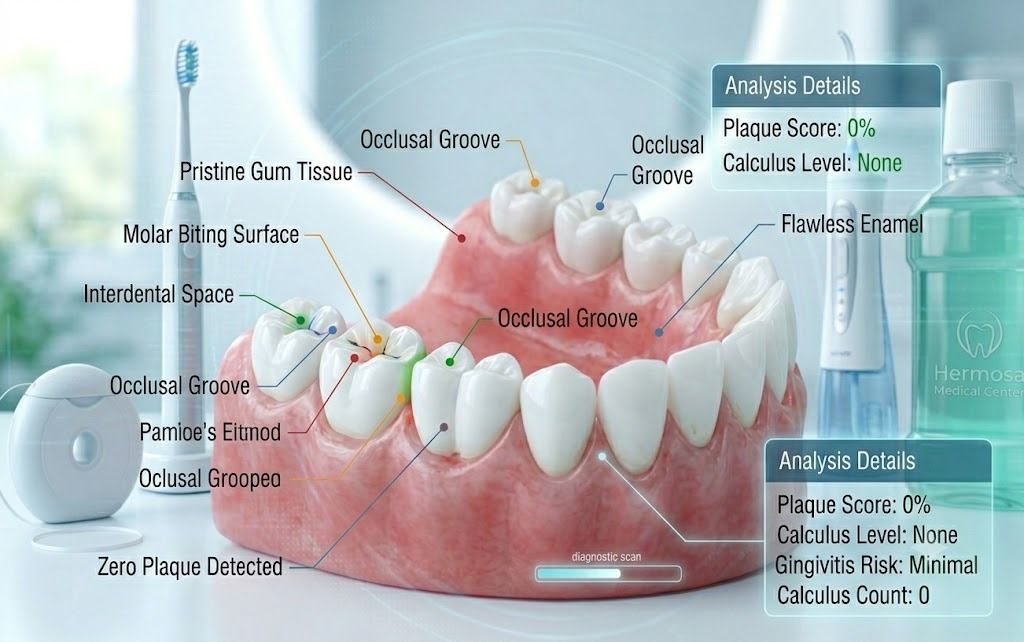
Proper Dental Hygiene Tips to Keep Your Teeth and Gums Healthy
`
Bleeding gums after flossing. A little swelling near the back tooth that wasn't there last month. Bad breath that mouthwash only covers up for an hour. If any of that sounds familiar you're not alone and you're not doing something wildly wrong either. Most people brush every day and still end up with a cavity or sore gums because the routine they learned as a kid never really got updated.
Here's the thing. Good oral hygiene isn't complicated but it is specific. Small habits like how you angle your brush or how often you swap it out make a real difference over years not days. This guide walks through what an actual working routine looks like brushing technique tool choices flossing diet and how often a dentist visit really needs to happen so you're not guessing anymore.
Why Proper Dental Hygiene Matters More Than Most People Think
Plaque starts forming on your teeth within hours of eating. It's a soft sticky film of bacteria and if it's not cleaned off it hardens into tartar which a toothbrush can no longer remove on its own. That's when things start going wrong. The bacteria feed on sugar and produce acid and that acid slowly wears down the enamel on your teeth. Enamel doesn't grow back so once it's gone the damage is permanent.
A lot of people think of dental hygiene as something separate from the rest of their health. It isn't. What happens in your mouth doesn't stay in your mouth.
What Happens Inside Your Mouth When Hygiene Slips
Skip brushing or flossing for a few days and plaque builds up fast along the gum line and between teeth. Gums respond by getting inflamed which shows up as redness swelling and bleeding when you brush. Left alone this turns into gingivitis and if it keeps going it can progress to periodontitis where the infection starts breaking down the bone that holds your teeth in place. That's not something a whitening toothpaste is going to fix. It needs a dentist and sometimes a deeper cleaning called scaling and root planing.
The Link Between Gum Health and Your Overall Health
Gum disease causes ongoing inflammation and that inflammation doesn't just stay local. Healthcare providers commonly point to a connection between untreated gum disease and higher risk for heart related issues since the same bacteria that irritate your gums can enter the bloodstream. Diabetes and gum disease also tend to feed off each other in both directions meaning poor blood sugar control can worsen gum health and vice versa. If you already manage a heart condition or diabetes bringing your dentist and your primary care provider into the same conversation matters more than people realize. At Hermosa Medical Center that conversation is easy since cardiology and primary care are right down the hall from the dental office.
Signs You Might Have a Dental Hygiene Problem
You don't need to wait for a toothache to know something's off. Your mouth usually gives warning signs well before real pain shows up.
Early Warning Signs of Gum Disease
- Gums that bleed when you brush or floss even lightly
- Redness or puffiness along the gum line
- Gums that seem to be pulling away from your teeth making them look longer
- Persistent bad breath that doesn't go away with mouthwash
- Loose feeling teeth or a change in how your bite fits together
Signs of Tooth Decay You Should Not Ignore
Tooth decay doesn't always hurt right away and that's part of what makes it sneaky. A white or brown spot on a tooth surface can be an early sign of enamel breaking down. Sensitivity to hot cold or sweet foods that lingers after the food is gone is another clue. Visible holes or pits and pain when you bite down usually mean the decay has gone deeper and needs attention soon rather than later.
How to Brush Your Teeth the Right Way
Most people think they know how to brush because they've done it their whole life. But technique matters more than most people assume and small corrections here prevent a lot of problems down the road.
The Correct Brushing Technique Step by Step
- Wet your toothbrush and add a pea sized amount of fluoride toothpaste
- Hold the brush at a 45 degree angle against your gum line
- Use short gentle strokes moving back and forth or in small circles
- Brush the outer surfaces of every tooth then move to the inner surfaces
- Brush the chewing surfaces of your back teeth where food tends to get trapped
- Don't forget the surfaces of your front teeth on the inside where plaque quietly builds up
- Finish by gently brushing your tongue to clear away bacteria that cause bad breath
Angle Pressure and Motion That Actually Work
A 45 degree angle lets the bristles slide slightly under the gum line where plaque loves to hide. Pressure should be gentle. If your bristles are splaying out and flattening within a few weeks you're pressing too hard and you're wearing down enamel and irritating your gums instead of cleaning them. Let the bristles do the work not your arm.
How Long and How Often You Should Brush
Two minutes twice a day. Most people brush for closer to 45 seconds without realizing it which leaves a lot of surface area untouched. A timer on your phone or an electric brush with a built in timer solves this without you having to think about it.
Common Brushing Mistakes That Cause Damage
Brushing right after eating something acidic like orange juice or soda can actually harm softened enamel so it helps to wait about 30 minutes first. Scrubbing hard side to side instead of using gentle strokes wears grooves into enamel over time. And using an old toothbrush with flattened bristles is basically wasted effort since it can't clean effectively anymore.
Choosing the Best Toothbrush and Toothpaste for Adults
The toothbrush aisle is overwhelming and honestly most of the marketing doesn't matter as much as two things bristle softness and consistency of use.
Manual vs Electric Toothbrush Which One Is Better
| Feature | Manual Toothbrush | Electric Toothbrush |
|---|---|---|
| Plaque removal | Effective with proper technique | Often removes more plaque especially for people who brush too fast |
| Cost | Low upfront cost | Higher upfront cost with replacement heads |
| Best for | People with good consistent technique | People who tend to brush too hard or rush through it |
| Built in timer | No | Common on most models |
Neither option is wrong. What matters more is whether you actually use it correctly for the full two minutes twice a day. An electric brush just makes good habits a little easier to keep.
What to Look for in Fluoride Toothpaste
Fluoride is the one ingredient that actually matters most since it strengthens enamel and helps reverse very early decay before it becomes a cavity. Look for the American Dental Association seal of acceptance on the box which means the product has been tested for safety and effectiveness. Beyond that whitening flavor and sensitivity formulas come down to personal preference.
When to Replace Your Toothbrush
The general rule is every three to four months but honestly your toothbrush will tell you sooner than that. Once the bristles start splaying out or losing their shape it's already less effective even if it hasn't hit the three month mark. Frayed bristles can't reach into the small grooves and gaps the way fresh ones can so check the actual condition not just the calendar.
Flossing and Cleaning Between Your Teeth the Right Way
Brushing alone misses close to a third of your tooth surfaces since a toothbrush simply can't reach between teeth. This is where most dental hygiene routines fall apart.
Traditional Floss vs Water Flossers vs Interdental Brushes
Traditional string floss works well and costs almost nothing but it does take some practice to use correctly without hurting your gums. Water flossers use a stream of pressurized water to clean between teeth and along the gum line and they tend to be gentler which makes them a solid option for people with braces or sensitive gums. Interdental brushes are tiny brush heads that fit between teeth and they're especially useful for people with wider gaps or those managing early gum recession. There isn't one correct choice here. The best tool is whichever one you'll actually use every single day.
How to Floss Without Hurting Your Gums
Slide the floss gently between teeth using a light back and forth motion rather than snapping it down into the gum. Curve the floss into a C shape against one tooth and slide it slightly under the gum line then repeat on the neighboring tooth. Use a fresh section of floss for each gap so you're not just moving bacteria from one spot to the next.
Mouthwash and the Rest of Your Daily Routine
Do You Actually Need Mouthwash
Mouthwash isn't a replacement for brushing and flossing but it does add something useful. A fluoride rinse can reach areas your brush misses and an antibacterial rinse helps reduce the bacteria that cause bad breath and gum irritation. For most adults it's a helpful add on step not a required one.
Tongue Cleaning and Why It Gets Skipped
A large portion of the bacteria that cause bad breath actually live on your tongue not your teeth. Most people brush their teeth and stop there. A quick pass with your toothbrush or a dedicated tongue scraper takes maybe ten seconds and it makes a noticeable difference in how fresh your mouth feels through the day.
Diet and Habits That Protect or Damage Your Teeth
What you eat and drink shapes your oral health just as much as your brushing routine does.
Foods and Drinks That Speed Up Tooth Decay
Sticky candy dried fruit and sugary sodas are some of the worst offenders since sugar clings to teeth and feeds the bacteria that cause decay. Acidic drinks like soda sports drinks and even some fruit juices soften enamel over time. Crunchy vegetables like carrots and celery on the other hand actually help by stimulating saliva which naturally rinses away food particles.
Why Frequency of Sugar Matters More Than Amount
This part surprises a lot of patients. Eating a slice of cake once and eating hard candy every hour throughout the day are not the same for your teeth even if the total sugar amount is similar. Every time you eat something sugary your mouth goes through an acid attack that lasts about 20 to 30 minutes. Grazing on sweets all day means your teeth are under near constant acid exposure while one dessert after a meal gives your mouth time to recover in between. If you're going to have something sweet having it with a meal rather than spread out through the day is easier on your enamel.
How Often You Should Visit the Dentist
The standard recommendation is a checkup and cleaning every six months and that timeline exists for a good reason. It catches small problems while they're still small.
What Happens During a Regular Dental Cleaning
A dental hygienist removes plaque and tartar buildup that brushing at home simply can't reach especially below the gum line. The dentist then examines your teeth and gums for early signs of decay or gum disease and X rays may be taken periodically to catch problems that aren't visible yet on the surface.
Signs You Need to See a Dentist Sooner Than Scheduled
Persistent tooth pain visible swelling in your face or gums a broken or knocked out tooth or bleeding that won't stop are all reasons to get seen right away rather than waiting for your next scheduled visit. Sudden dental pain outside of regular hours is exactly the kind of situation where a walk in urgent care visit can help manage pain and swelling until you're able to get into the dental chair.
Why Chicago Patients Choose Hermosa Medical Center for Dental Care
One Location for Dentistry Primary Care and More
Hermosa Medical Center has been part of the Chicago community for more than 33 years and one thing patients mention again and again is how much time it saves having everything under one roof. Your dentistry visit can happen the same day as a primary care checkup or a prescription pickup at the on site pharmacy. If a dental issue turns out to be connected to something bigger like uncontrolled blood sugar or a heart concern your care team is already in the same building.
Walk In Convenience and Insurance Options Including Medicaid and Medicare
No referral chasing and no long wait for an opening weeks out. Hermosa accepts Medicaid Medicare BCBS Aetna Cigna Tricare Wellcare and cash pay so cost and insurance rarely stand in the way of getting seen. Walk in hours run 9 AM to 5 PM which works well for patients juggling work school or family schedules who need a dental appointment that actually fits into a real day.
Book Your Dental Visit at Hermosa Medical Center
A good oral hygiene routine at home covers most of the work but it's not a substitute for a professional set of eyes twice a year. If it's been a while since your last cleaning or something has felt off lately don't wait for it to get worse.
Hermosa Medical Center is located at 2004 N Pulaski Rd Chicago IL 60639 and welcomes walk ins from 9 AM to 5 PM. Call 773 772 8876 to ask about scheduling or simply stop by. If a dental problem catches you off guard outside of a planned visit take a look at our guide on what to do during a dental emergency for immediate next steps.
Frequently Asked Questions
How often should I brush my teeth in a day?
Twice a day is the standard recommendation once in the morning and once before bed. Brushing more than that can actually wear down enamel over time so twice a day with proper technique is enough for most people.
What is the right way to hold my toothbrush?
Hold the brush at a 45 degree angle against your gum line and use short gentle strokes. Avoid scrubbing hard side to side since that wears down enamel and irritates gums instead of cleaning them properly.
How long should I brush my teeth?
Two full minutes is the target. Most people stop closer to 45 seconds without realizing it which leaves a lot of tooth surface untouched so a timer can help you stay on track.
Is an electric toothbrush better than a manual one?
Both can work well when used correctly. Electric brushes tend to help people who brush too hard or too fast since many models include a built in timer and pressure sensor that manual brushes don't have.
How do I know if I have gum disease?
Watch for gums that bleed easily swelling redness or gums that seem to be pulling away from your teeth. Persistent bad breath and loose feeling teeth are also signs that it's time to see a dentist.
Do I really need to floss every day?
Yes since brushing alone misses close to a third of your tooth surfaces especially the tight spaces between teeth. Daily flossing removes plaque before it has a chance to harden into tartar.
What foods are worst for my teeth?
Sticky sugary foods like candy and dried fruit along with acidic drinks like soda and some juices cause the most damage. How often you eat sugar throughout the day matters just as much as how much you eat.
How often should I go to the dentist for a checkup?
Every six months is the general standard for most healthy adults. Patients with gum disease or other dental issues may need to be seen more often based on what their dentist recommends.
Can poor dental hygiene affect my heart or overall health?
Yes gum disease creates ongoing inflammation and bacteria that can enter the bloodstream which healthcare providers commonly link to increased risk for heart related issues and worsened blood sugar control in diabetes.
What is the best toothpaste for adults?
Fluoride toothpaste is the most important factor since it strengthens enamel and helps reverse very early decay. Look for the American Dental Association seal of acceptance on the packaging as a mark of tested safety and effectiveness.
`