


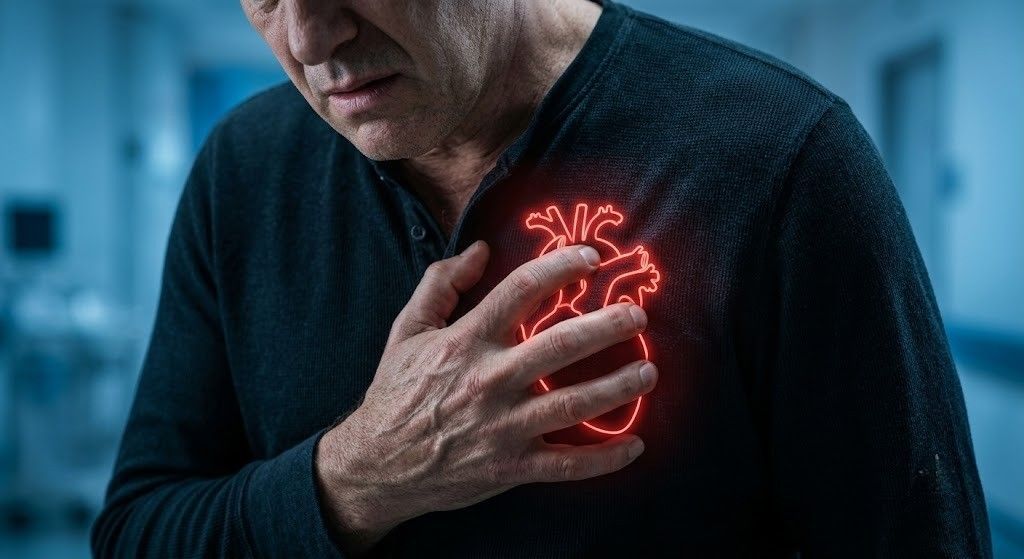
Heart Attack Warning Signs: Symptoms You Should Never Ignore
Heart Attack Warning Signs: Symptoms You Should Never Ignore
`
A heart attack rarely feels like the movies. There no dramatic clutch to the chest and dramatic fall. For a lot of people it starts small. A little pressure here. Some tightness there. And that exactly why heart attack warning signs get brushed off so often. Knowing what to watch for and acting fast can limit damage to the heart and in some cases save a life.
The American Heart Association has been clear about this for years. Heart attacks are sudden and intense for some people but for a lot of others they build slowly over hours or even days. Both patterns matter. Both deserve attention.
What Counts as a Heart Attack Warning Sign
A warning sign is your body telling you the heart muscle is not getting enough blood. that it in plain terms. When blood flow to part of the heart gets blocked, the tissue starts to suffer and the symptoms you feel are basically your body raising a flag.
Some signs are loud and obvious. Others are quiet and easy to explain away as stress, poor sleep or a bad meal. Here's the thing though. The quiet ones are just as dangerous, sometimes more so, because people wait longer to get help.
The Classic Heart Attack Symptoms
Chest Pain or Pressure
This is the symptom most people associate with a heart attack and for good reason. it the most common heart attack symptom by far. People describe it as squeezing, fullness or pressure right in the center of the chest. It can last a few minutes, go away, then come back.
it not always sharp. In fact sharp stabbing pain is less typical of cardiac chest pain than a dull ache or heavy pressure that just sits there. Some people say it feels like an elephant sitting on their chest. Others say it more like heartburn that won't quit.
Shortness of Breath
Shortness of breath can show up with chest discomfort or completely on its own. That second part surprises people. You don't need chest pain to be having a heart attack. If you're winded walking across a room you'd normally cross without thinking twice, pay attention to that.
Pain Spreading to the Upper Body
Discomfort in other areas of the upper body is a real pattern doctors see constantly. That includes the arms, especially the left one, the jaw, the neck, the back and the shoulders. Jaw pain on its own, with no chest symptoms at all, has sent plenty of people to the emergency room only to learn it was cardiac in origin.
Nausea, Cold Sweat and Lightheadedness
Nausea, a cold sweat breaking out for no reason or sudden lightheadedness or dizziness often get mistaken for the flu or bad food. Women report this cluster more than men do but it happens across the board. If it shows up alongside any chest tightness or unexplained fatigue, don't wait it out.
Early Signs of a Heart Attack
Early signs of a heart attack can show up days or weeks before the actual event. Unusual tiredness that doesn't match your activity level is one of the most common ones. So is trouble sleeping, a racing or irregular heartbeat or mild pain or discomfort that comes and goes without a clear trigger.
A lot of patients look back after a cardiac event and realize they'd been feeling off for a while. Not sick exactly. Just not right. that worth paying attention to your body for, especially if you already carry risk factors like high blood pressure or a family history of heart disease.
Heart Attack Symptoms in Women
Women's most common heart attack symptom is not always classic chest pain. It can be unusual fatigue, shortness of breath, nausea, back or jaw pain or a general sense that something is wrong. Because these symptoms don't match the textbook picture, women often wait longer before calling for help and that delay costs time the heart muscle doesn't have.
Cardiovascular disease is still the leading cause of death for women in the United States and part of the problem is recognition. If something feels different, off or hard to explain, that reason enough to get checked. You don't need to be certain it a heart attack to justify seeing a doctor or a cardiologist.
Silent Heart Attack: Symptoms That Go Unnoticed
A silent heart attack happens with mild or no obvious symptoms at all and it more common than most people think. Older adults and people with diabetes are at higher risk for this pattern, partly because nerve damage from diabetes can blunt pain signals.
Someone might feel a little tired, a bit short of breath climbing stairs and chalk it up to getting older. Weeks later an EKG picks up scarring that shows a heart attack already happened. Silent doesn't mean harmless. The heart muscle damage is real even without the dramatic symptoms.
Chest Pain Warning: When It Might Not Be a Heart Attack
Not every ache in the chest means cardiac arrest is coming. Muscle strain, acid reflux and anxiety can all mimic heart attack symptoms closely enough to cause real confusion. Angina, which is chest pain from reduced blood flow that is not a full heart attack, is another common mix up.
That said, this is not a call for self diagnosis. Telling the difference between anxiety and a cardiac event in the moment is genuinely hard, even for people with medical training. If you're unsure, treat it as a warning sign of a heart problem and get evaluated rather than guessing.
Heart Attack Risk Factors
Certain things raise your odds of a cardiac event and knowing yours helps you take warning signs seriously instead of brushing them off. Common risk factors include:
- High blood pressure and high cholesterol
- Smoking or long term tobacco use
- Diabetes and insulin resistance
- Family history of heart disease
- Age, with risk climbing after 45 for men and 55 for women
- Obesity, physical inactivity and chronic stress
None of these guarantee a heart attack and having none doesn't rule one out either. But if you check several boxes here, symptoms that might seem minor deserve a closer look and a conversation with a cardiologist about your overall cardiovascular health is worth having before anything happens.
What to Do If You Notice Warning Signs
Call 911 Immediately
If you or someone near you shows signs of a heart attack, call 911 right away. Don't drive yourself to the hospital. Emergency medical services can start treatment the moment they arrive and EMS staff can transport you to the nearest hospital equipped to handle cardiac emergencies while monitoring you the entire way. Minutes matter here more than almost any other medical emergency, since prompt treatment limits damage to the heart.
CPR Basics While Waiting for Help
If someone collapses and stops responding and you suspect their heart has stopped, hands only CPR can buy critical time before emergency services arrive. Push hard and fast in the center of the chest, about 100 to 120 compressions a minute and keep going until help takes over or an AED is available. You don't need to be certified to help. Doing something is almost always better than doing nothing while waiting for trained responders.
What Else Helps
Chewing an aspirin can help in some cases if a heart attack is suspected and There no known allergy or bleeding risk but this should never delay the call to 911. Stay as calm and still as possible, loosen tight clothing and keep talking to emergency dispatchers, who can guide you through next steps until EMS arrives.
Cardiac Arrest vs Heart Attack: What's the Difference
These two terms get used interchangeably but they're not the same thing. A heart attack is a circulation problem, blood flow to part of the heart muscle gets blocked. Cardiac arrest is an electrical problem, the heart's rhythm goes haywire and it stops pumping blood altogether.
A heart attack can lead to cardiac arrest but plenty of heart attacks happen without the heart ever stopping. Cardiac arrest is the one where CPR and resuscitation become immediately necessary, because without blood flow the brain and organs start losing function within minutes.
How Hermosa Medical Center Supports Heart Health
Our Cardiology team works with patients across Chicago on everything from routine heart health checkups to managing existing cardiovascular disease. On site diagnostics, including EKGs and imaging through our Radiology and Imaging department, mean symptoms can often get evaluated the same day instead of waiting weeks for a referral.
For symptoms that feel concerning but not like a 911 emergency, our Urgent Care and Internal Medicine providers can assess what's going on and get you to the right level of care quickly. You can learn more about our physicians on the Providers page.
When to See a Doctor vs When to Go to the ER
If you're having chest pain or pressure, shortness of breath or the other classic symptoms right now, that an emergency room or 911 situation, full stop. Don't drive yourself and don't wait to see if it passes.
If you've been dealing with early signs like unusual fatigue, occasional mild discomfort or a nagging sense that something's off with your heart health, that a good reason to see a doctor soon rather than waiting for a full blown event. Booking a visit through our Appointment page or walking into Urgent Care are both solid options depending on how urgent it feels.
Frequently Asked Questions
What are the first warning signs of a heart attack?
The earliest signs often include chest discomfort that comes and goes, unusual fatigue, shortness of breath and mild nausea or lightheadedness. These can appear hours or even days before the main event and they're easy to mistake for stress or a minor illness, so any new or unexplained combination is worth checking out.
How do heart attack symptoms differ in men and women?
Men more often report classic chest pain as the dominant symptom. Women are more likely to experience shortness of breath, nausea, back or jaw pain and fatigue without strong chest pain, which can lead to delayed recognition and slower treatment.
Can you have a heart attack without chest pain?
Yes. A significant number of heart attacks happen with mild symptoms or none at all, sometimes called silent heart attacks. Shortness of breath, fatigue or discomfort in the arms, jaw or back can occur without any chest pain being present.
What does a silent heart attack feel like?
It can feel like nothing serious at all, maybe some tiredness, indigestion or mild discomfort that passes. Older adults and people with diabetes are more prone to this pattern and it often only discovered later through an EKG or imaging.
How long do heart attack warning signs last before an attack?
It varies. Some people feel nothing until the event itself. Others notice symptoms building over days or weeks, like recurring chest tightness, fatigue or shortness of breath that gets worse with activity.
Is shoulder or jaw pain always a heart attack sign?
Not always but it a pattern doctors take seriously, especially in combination with other symptoms like sweating, nausea or shortness of breath. Jaw or shoulder pain on its own without a clear injury is still worth getting evaluated.
What should I do if I think I'm having a heart attack?
Call 911 immediately and don't drive yourself anywhere. Si down, stay as calm as you can and follow the dispatcher's instructions. If aspirin is available and you have no known allergy or bleeding risk, chewing one can help but the call to EMS comes first.
How is a heart attack different from cardiac arrest?
A heart attack is a blockage that cuts off blood flow to part of the heart muscle. Cardiac arrest is when the heart's electrical system fails and it stops beating altogether. A heart attack can lead to cardiac arrest but they're not the same event.
When should I go to urgent care instead of the ER for chest discomfort?
If symptoms are severe, sudden or match classic heart attack warning signs, go straight to the ER or call 911. Urgent care is better suited for milder, ongoing concerns like occasional chest tightness or fatigue you want evaluated without it being an active emergency.
Can stress or anxiety mimic heart attack symptoms?
Yes, anxiety can cause chest tightness, a racing heart and shortness of breath that feel very similar to cardiac symptoms. Telling the two apart is not always easy even for trained professionals, so if There any doubt, getting checked is the safer choice.
Don't Wait on Warning Signs
Heart attacks favor speed. The faster warning signs get recognized and treated, the more heart muscle gets saved. If something feels off, even if you can't quite name it, that reason enough to get checked rather than talk yourself out of it.
Hermosa Medical and Diagnostic Center offers walk in Urgent Care, Cardiology and on site imaging right here in Chicago, so you don't have to wait weeks for answers. Call us at 7737728876, visit our Contact page for location and hours or book through our Appointment page to talk with a provider about your heart health.
`