


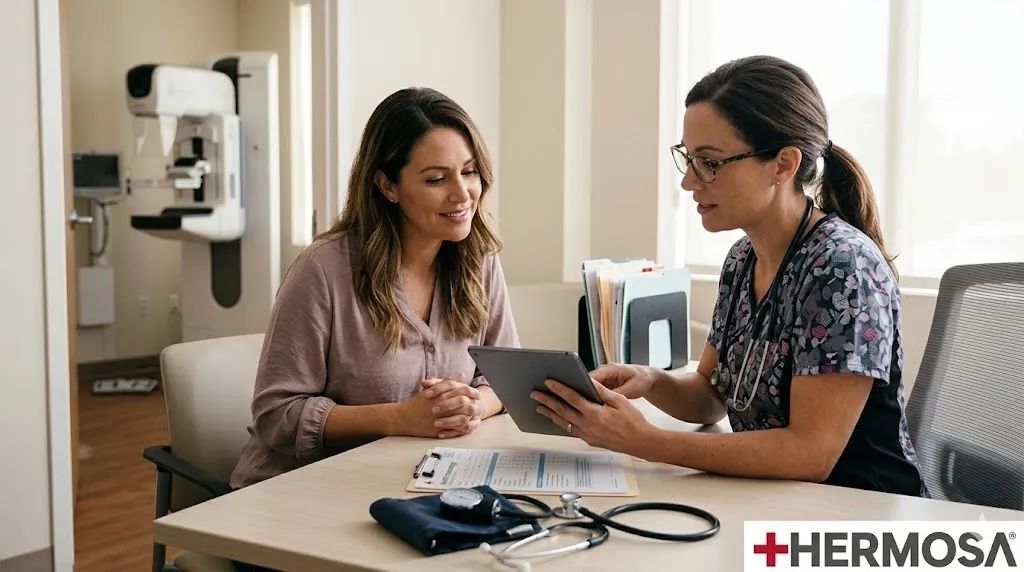
Health Screenings for Women by Age: What You Need and When to Get It Done
Health Screenings for Women by Age: What You Need and When to Get It Done
Most women are pretty good at taking care of everyone else. The kids get their checkups. The parents get their medications. But somewhere in the middle of all of that a lot of women let their own preventive health slide. Not because they do not care but because nobody ever sat them down and explained exactly what screenings they need and when.
Health screenings for women by age are not complicated once you see them laid out clearly. The Women's Preventive Services Guidelines (WPSI) and recommendations from the Department of Health and Human Services give a clear roadmap of what screenings are essential at each stage of a woman's life. This article walks through all of it from ages 18 to 39 through the 40s and 50s and beyond so you can take charge of your health with a clear picture of what your body actually needs right now.
Why Regular Health Screenings Matter for Women
Preventive care is not just about catching something before it gets worse. It is about building a baseline understanding of your own health so that changes are noticed early when they are still easy to manage. Many serious health conditions including high blood pressure and type 2 diabetes in women and breast cancer and cervical cancer show no obvious symptoms in the early stages. Screening tests are how those conditions get found before they cause serious damage.
The Health Resources and Services Administration and the Department of Health and Human Services both emphasize that recommended preventive services for women are among the most cost-effective investments in long-term health management. Most recommended screenings are fully covered by insurance under the Affordable Care Act with no out-of-pocket cost for adult women with standard coverage.
Regular health checkups and health screenings for women are essential at every age. Depending on a woman's age and family history and health risk factors the specific screenings recommended will shift over time. The goal is not to run every possible test at every visit. It is to get the right tests at the right time based on age and individual health needs.
Health Screenings for Women Ages 18 to 39
Women in this age group are often the least likely to prioritize their own health maintenance. They tend to feel well and assume that means everything is fine. But this is exactly when building healthy habits and catching early warning signs makes the biggest long-term difference.
Blood Pressure Screening
Blood pressure screening is recommended for all women starting at age 18. The WPSI recommends that women receive at least one blood pressure check every year. High blood pressure often has no symptoms and can go undetected for years while quietly increasing the risk of heart disease and stroke and kidney damage.
Cervical Cancer Screening Guidelines
Cervical cancer screening guidelines recommend that women begin Pap smears at age 21 regardless of sexual activity. Women aged 21 to 29 should have a Pap smear every 3 years. Women aged 30 to 65 have the option of a Pap smear every 3 years or a Pap smear combined with HPV testing every 5 years. This is sometimes called co-testing and it is one of the most effective ways to catch early cervical changes before they develop into cancer.
Cholesterol Screening
Cholesterol screening is recommended starting at age 20 for women with health risk factors like family history of heart disease or diabetes or obesity. For women without known risk factors screening typically begins at age 35. Getting a baseline lipid panel early helps your provider understand your cardiovascular health status and track changes over time.
Diabetes Screening
Screening for type 2 diabetes in women is recommended for those between the ages of 35 and 70 who are overweight or obese. Women with specific health risk factors like a family history of diabetes or a history of gestational diabetes may need diabetes screening at an earlier age. Your health care provider will advise based on your individual health status.
Mental Health Screening
Mental health screening including screening for depression and anxiety is recommended for all adult women starting at age 18. The WPSI recommends that women receive at least one mental health screening per year as part of their regular preventive care. This is especially relevant for women during major life transitions like pregnancy and postpartum and perimenopause.
Immunizations for Women
Immunizations for adolescent and adult women through age 26 include the HPV vaccine which provides protection against the strains of the virus most commonly linked to cervical cancer. Adults up to age 26 who were not vaccinated earlier are recommended to receive the HPV vaccine. Annual flu vaccination is recommended for all adult women. Other immunizations including Tdap and hepatitis B are recommended based on vaccination history.
Reproductive Health Screenings
Reproductive health screenings for women ages 18 to 39 include STD screenings for sexually active women under 25 annually and for older women with health risk factors. Screening for intimate partner violence is also a recommended preventive service at every well woman visit.
| Screening | When to Start | How Often |
|---|---|---|
| Blood pressure | Age 18 | Yearly |
| Pap smear | Age 21 | Every 3 years (ages 21 to 29) |
| Cholesterol | Age 20 (with risk factors) or 35 | Based on risk |
| Diabetes | Age 35 or earlier with risk factors | Every 3 years |
| Depression screening | Age 18 | Yearly |
| STD screening | Sexually active under 25 | Yearly |
| HPV vaccine | Through age 26 | Series as recommended |
Health Screenings for Women Ages 40 to 49
This is the decade when recommended health screenings for women expand meaningfully. The body goes through significant hormonal and cardiovascular changes during the 40s and several key cancer screenings begin or increase in frequency during this age group.
When to Get a Mammogram
When to get a mammogram is one of the most common questions women have in their 40s and the answer has evolved over time. The WPSI recommends that women begin annual mammograms starting at age 40. Women with a family history of breast cancer or known genetic risk factors like BRCA mutations may be recommended to start earlier. Breast cancer screening age recommendations from the American Cancer Society also support starting at age 40 for average-risk women.
Annual mammograms are the most reliable tool for detecting breast cancer early when it is most treatable. Women aged 40 and beyond who have never had a mammogram should make this their first priority.
Pap Smear How Often After 40
Pap smear how often is a question that changes at age 30 rather than 40. Women aged 30 to 65 can have a Pap smear every 3 years or co-testing with Pap and HPV testing every 5 years. After age 65 cervical cancer screening can be stopped for most women who have had consistently normal results. Your health care provider will advise based on your screening history and health status.
Women's Health Tests Over 40
Additional screenings that become relevant for women over 40 include:
- Diabetes screening if not previously done and weight or family history indicates risk
- Cholesterol screening every 5 years or more frequently based on results and risk factors
- Blood pressure screening at every health visit
- Skin cancer screening for women with significant sun exposure history or family history
- Oral health and dental health checkups every 6 to 12 months
- Eye exams every 1 to 2 years starting at age 40
- PCOS symptoms and treatment evaluation if irregular cycles or hormonal symptoms are present
PCOS Symptoms and Treatment
PCOS symptoms and treatment are relevant for women of all ages but often go undiagnosed well into the 30s and 40s. PCOS is one of the most common hormonal conditions affecting reproductive health and it increases the risk of type 2 diabetes and cardiovascular disease. Symptoms include irregular periods and weight gain and excess hair growth and difficulty conceiving. If you have these symptoms talk to your health care provider about evaluation and management options.
Ovarian Cancer Symptoms
Ovarian cancer symptoms are often vague and easy to dismiss which is why ovarian cancer is frequently caught at a late stage. There is no standard screening test for ovarian cancer for average-risk women but knowing the symptoms and reporting them promptly to your provider is the best tool available.
Ovarian cancer symptoms to know and report:
- Persistent bloating or a feeling of fullness in the abdomen
- Pelvic pain or pressure that does not resolve
- Difficulty eating or feeling full very quickly
- Frequent urination without a clear cause
- Unexplained fatigue or back pain lasting more than a few weeks
Women with a family history of ovarian or breast cancer or known BRCA mutations should discuss additional screening options with their provider.
| Screening | Starting Age | Frequency |
|---|---|---|
| Mammogram | Age 40 | Annual |
| Pap smear with HPV co-test | Age 30 to 65 | Every 5 years |
| Cholesterol | Age 35 or earlier with risk | Every 5 years or as directed |
| Diabetes screening | Age 35 to 70 if overweight | Every 3 years |
| Blood pressure | Every visit | Yearly minimum |
| Eye exam | Age 40 | Every 1 to 2 years |
Health Screenings for Women Ages 50 and Beyond
Screenings for women ages 40 through 50 and beyond expand further to include colorectal cancer screening and bone density testing and continued cardiovascular monitoring. This is the age group where preventive health services do the most work in terms of catching serious conditions early.
Breast Cancer Screening After 50
Breast cancer screening continues as an annual mammogram for women aged 40 years through at least age 74. Women over 74 should discuss with their provider whether continued screening is appropriate based on overall health status and life expectancy. Women with a family history of breast cancer or dense breast tissue may be recommended for additional imaging like ultrasound or MRI alongside their mammogram.
Colorectal Cancer Screening
Colorectal cancer screening is recommended for women starting at age 45. Options include colonoscopy every 10 years or stool-based tests like the fecal immunochemical test (FIT) annually or a multitarget stool DNA test every 1 to 3 years. Women with a family history of colorectal cancer or polyps may need to start screening earlier.
Bone Density Screening
Bone density screening is recommended for women starting at age 65 to screen for osteoporosis. Women aged 50 to 64 who have risk factors like a family history of osteoporosis or early menopause or long-term steroid use may be recommended for earlier testing. Osteoporosis has no symptoms until a fracture occurs which is why screening is essential.
Cardiovascular and Metabolic Screenings After 50
Blood pressure screening continues at every health visit. Cholesterol screening is recommended every 5 years or more frequently if results show elevated levels or if risk factors like diabetes or hypertension are present. Diabetes screening is recommended every 3 years for women who are overweight or obese or have additional health risk factors.
Well Woman Visit Checklist After 50
The well woman visit checklist for women over 50 should include:
- Annual mammogram through at least age 74
- Colonoscopy or stool-based colorectal cancer screening starting at age 45
- Bone density scan at age 65 or earlier with risk factors
- Blood pressure check at every visit
- Cholesterol panel every 5 years or more often if needed
- Diabetes screening every 3 years if overweight or at risk
- Mental health screening for depression and anxiety annually
- Dental health and oral health checkup every 6 to 12 months
- Eye exam every 1 to 2 years
- Review of all immunizations including flu shot annually and shingles vaccine at age 50 and pneumonia vaccine at age 65
Gynecology Checkup: What to Expect at a Well Woman Visit
Many women are not sure what happens at a well woman visit or gynecology checkup. Knowing what to expect makes it much easier to show up and be prepared.
A well woman visit checklist typically includes:
- A review of your current health status and any symptoms or concerns
- Blood pressure measurement and height and weight and BMI calculation
- A discussion of your family history and any changes since your last visit
- A review of current medications and supplements
- Recommended cancer screenings based on your age group (Pap smear and mammogram referral and colorectal screening as applicable)
- STD screenings if recommended based on age and health risk factors
- Mental health screening for depression and anxiety
- Immunization review and updates
- Discussion of reproductive health needs including contraception or perimenopause or menopause management
- A physical exam including breast exam and pelvic exam based on age and screening guidelines
How Hermosa Medical Center Supports Women at Every Age
Hermosa Medical Center provides gynecology and women's health services for women at every life stage. From well woman visits and Pap smears and breast exams for women in their 20s through menstrual disorder management and perimenopause care and reproductive health support for women in their 40s and beyond the team at Hermosa is equipped to handle the full range of women's health needs.
On-site MRI and imaging including ultrasound is available at Hermosa for same-visit pelvic and abdominal imaging when needed. The on-site pharmacy means that any prescriptions from your gynecology visit are filled before you leave the building.
For women managing chronic conditions alongside their reproductive health needs the primary care and internal medicine team provides diabetes screening and cholesterol management and blood pressure monitoring all in the same building. Allergy and immunotherapy services and mental health and psychiatry are also available for women who need support beyond standard preventive screenings.
Hermosa serves the Chicago community in English and Arabic and Spanish and accepts Medicaid and Medicare and most insurance plans as well as self-pay patients at transparent rates.
Benefits of Getting Women's Health Screenings at Hermosa Medical Center
- All screenings in one visit: Well woman exam and pelvic imaging and lab work and pharmacy all under one roof
- Age-appropriate care: Providers tailor recommended screenings based on your age group and family history and health risk factors
- Multilingual team: Served in English and Arabic and Spanish so every woman can communicate clearly about her health
- Accessible to all: Medicaid and Medicare and insured and self-pay patients are all welcome
- Comprehensive women's care: From reproductive health to chronic disease management to mental health support all in one building
- No referral runaround: On-site imaging and lab work mean you get answers at the same visit
Real Patient Stories at Hermosa Medical Center
A 42-year-old woman came in for her first mammogram after putting it off for two years. She had no symptoms and no family history of breast cancer. The mammogram flagged a small area that needed follow-up imaging. After additional testing a very early-stage finding was identified and treated successfully. She later said she had no idea how important that first mammogram at age 40 would turn out to be.
A 34-year-old patient came in for a routine well woman visit and mentioned irregular periods and difficulty losing weight despite healthy eating. Her provider evaluated her for PCOS and the diagnosis was confirmed. A management plan was started and she was connected to dietary support and medication management at the same location. She said it was the first time anyone had taken her symptoms seriously enough to actually investigate them.
A 56-year-old woman came in for her annual well woman visit and mentioned she had been putting off her colonoscopy for years because it felt like too much to deal with. Her provider walked her through the process and ordered the referral the same day. The colonoscopy found a polyp that was removed before it could develop further. She said having a provider who made it easy to take that step made all the difference.
Note: These represent composite patient experiences. Legal review recommended before publishing.
Frequently Asked Questions About Women's Health Screenings
When should women start getting mammograms?
The WPSI recommends that women begin annual mammograms starting at age 40. Women with a family history of breast cancer or known genetic risk factors may be recommended to start earlier. Talk to your health care provider about your specific breast cancer screening age based on your health history.
How often do women need a Pap smear?
Women aged 21 to 29 should have a Pap smear every 3 years. Women aged 30 to 65 can have a Pap smear every 3 years or a combined Pap and HPV co-test every 5 years. After age 65 cervical cancer screening can typically be stopped for women with consistently normal results.
What is included in a well woman visit?
A well woman visit includes a review of your health status and blood pressure and weight and recommended cancer screenings and mental health screening and immunization review and reproductive health discussion. The specific tests included depend on your age and health risk factors and screening history.
What are the symptoms of PCOS?
PCOS symptoms include irregular or absent periods and weight gain and excess facial or body hair and acne and difficulty getting pregnant. PCOS also increases the risk of type 2 diabetes and cardiovascular disease. If you have these symptoms ask your health care provider about evaluation and treatment options.
What are the warning signs of ovarian cancer?
Ovarian cancer symptoms include persistent bloating and pelvic pain and difficulty eating and frequent urination and unexplained fatigue. These symptoms are easy to dismiss but if they are persistent and new they should be reported to your provider right away especially if you have a family history of ovarian or breast cancer.
Does Hermosa Medical Center offer women's health screenings?
Yes. Hermosa Medical Center at 2004 N Pulaski Rd Chicago IL 60639 offers gynecology and women's health services for adult women of all ages. You can book an appointment online or call 773-772-8876 to schedule your well woman visit today.
Take Charge of Your Health at Every Age
Health screenings for women by age are one of the most practical tools available for maintaining health and catching problems early when they are easiest to treat. The screenings recommended for women ages 18 to 39 look different from those recommended for women in their 40s and 50s and beyond but all of them serve the same purpose: keeping you healthy and informed about your own body.
Whether you are overdue for a Pap smear or scheduling your first mammogram or managing ongoing reproductive health needs Hermosa Medical Center is here to help. Visit us at 2004 N Pulaski Rd Chicago IL 60639 or call 773-772-8876 or book an appointment online today.
Follow Hermosa Medical Center for women's health tips and updates and community news: